
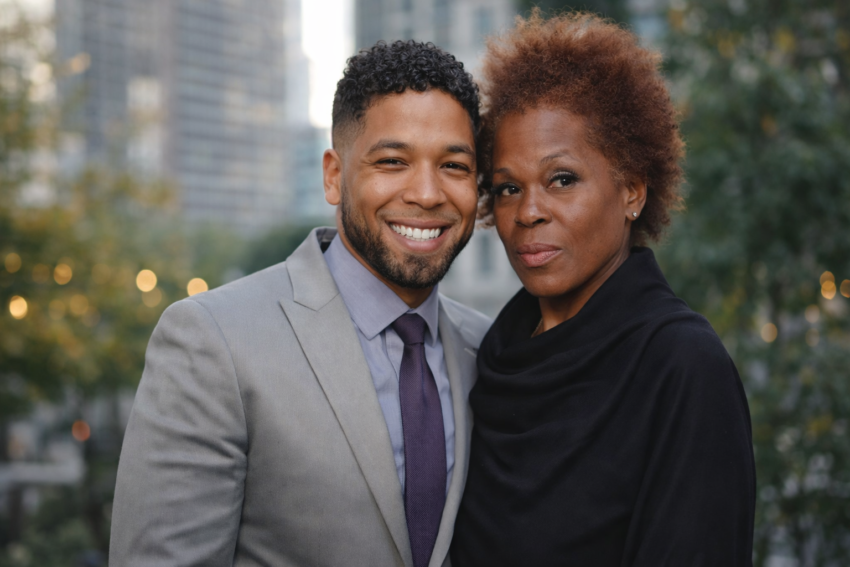
Janet Smollett is a name that often appears in the shadow of her children’s public lives. Yet behind the headlines, interviews, and red carpet appearances stands a woman whose influence runs deeper than fame. Known primarily as the mother of six talented children, including actors Jurnee and Jussie Smollett, Janet Smollett represents something more enduring than celebrity. She embodies resilience, activism, cultural identity, and the quiet strength of a matriarch who shaped a family narrative long before the world began paying attention.
While the spotlight rarely focuses directly on her, Janet Smollett’s story is inseparable from the broader story of the Smollett family. To understand her is to understand the values that guided a household rooted in activism, creativity, and unwavering belief in expression. This biography explores the woman behind the name, the environment she cultivated, and the lasting imprint she has left on both her children and those who follow their journeys.
Early Life and Cultural Identity
Much of Janet Smollett’s early life remains private, and that privacy has been intentional. However, what is widely known is that she was born Janet Harris and grew up during a period of social and political transformation in the United States. The civil rights movement was reshaping conversations about race, equality, and justice. That historical backdrop influenced many families of her generation, and by all credible accounts, it influenced hers as well.
Janet’s heritage reflects the rich complexity of American identity. She later married Joel Smollett, and together they raised a multiracial and multifaith family. Their household reflected a blend of cultures, histories, and traditions. Rather than treat identity as a dividing line, they approached it as a source of strength. This inclusive foundation would later become central to their children’s perspectives and artistic expressions.
Growing up during an era defined by activism likely shaped Janet’s worldview. Social awareness was not abstract; it was personal. Community engagement was not optional; it was essential. These formative influences would later guide her parenting philosophy and the atmosphere she created at home.
A Household Built on Activism
Janet Smollett and her late husband Joel were frequently described as civil rights activists. Activism, in their household, was not a performance but a lifestyle. It meant teaching their children to question injustice and to stand firmly in their truth. It meant discussing social issues openly at the dinner table. It meant encouraging courage, even when courage felt uncomfortable.
Activist households often prioritize empathy and awareness. Children raised in such environments learn to observe the world carefully. They learn to identify inequity and to imagine solutions. For the Smollett siblings, this upbringing fostered not only social consciousness but also confidence in self-expression.
Janet did not simply speak about justice; she modeled it. She emphasized dignity, resilience, and accountability. These values became visible in her children’s later careers, particularly in roles and projects that explored identity and representation. Although Janet herself stayed largely out of public interviews, her influence is visible in the language her children use when discussing equality, culture, and family legacy.
A Nomadic Upbringing and the Art of Adaptation
One of the most distinctive aspects of the Smollett family story is their nomadic upbringing. The family moved frequently across different states, adjusting to new schools, neighborhoods, and communities. While constant relocation can be destabilizing, it can also cultivate adaptability and emotional intelligence.
For Janet, each move required practical resilience. She had to recreate stability again and again. She had to ensure that her children felt secure even when their surroundings changed. This type of parenting requires both emotional steadiness and strategic thinking. Routine becomes a powerful tool. Family rituals become anchors.
The Smollett siblings later described their upbringing as rich with shared experiences despite frequent relocation. Moving taught them to observe closely and connect quickly. These are skills that translate naturally into performance, storytelling, and creative industries. It is difficult to ignore the connection between their adaptable childhood and their ability to navigate public careers.
Janet’s role in this nomadic life was central. She provided consistency when geography shifted. She reinforced identity when surroundings felt temporary. Through each transition, she ensured that the concept of home remained portable.
Encouraging Creativity at Home
Creativity in the Smollett household was not a rare event reserved for special occasions. It was part of daily life. Janet encouraged her children to perform at family gatherings, to explore storytelling, to experiment with music, and to express themselves freely. That early encouragement built confidence long before professional opportunities arrived.
Many successful artists trace their beginnings to a supportive parent who believed in their talent before anyone else did. In Janet Smollett’s case, support did not appear to mean pressure. Instead, it meant opportunity. She allowed creativity to flourish naturally within the boundaries of discipline and responsibility.
Family members have spoken about how the household valued both artistic expression and accountability. Performance was celebrated, but education and moral grounding were equally important. Janet understood that talent without structure rarely sustains itself. By combining encouragement with expectations, she cultivated both imagination and resilience.
This environment likely contributed to the siblings’ comfort in collaborative settings. Growing up in a large family teaches negotiation, patience, and timing. When multiple children share attention and space, they learn how to shine without overshadowing others. That dynamic became part of the Smollett family identity.
The Family Table as Cultural Memory
Food and shared meals played an essential role in the Smollett family’s life. Later, several siblings would release a cookbook that reflected on their upbringing and the importance of gathering around the table. The idea of the family table was more than symbolic. It represented continuity.
In households that move often, shared meals become grounding rituals. Recipes travel even when addresses change. Stories are retold in familiar rhythms. Janet’s presence at the center of those rituals reinforced unity.
Cooking, in many families, becomes a form of storytelling. Each dish carries history. Each gathering reaffirms belonging. Janet’s approach to family life appeared rooted in that understanding. Even as her children pursued individual careers, the shared foundation remained intact.
The emphasis on the table reveals something important about her parenting philosophy. Fame was never the goal. Connection was. Success was meaningful, but family cohesion was non-negotiable.
Public Scrutiny and Private Strength
In recent years, the Smollett family name has faced intense public scrutiny. Legal controversies and media narratives often placed the family under a microscope. For a parent, that kind of attention can be deeply challenging. Yet through it all, Janet maintained a dignified presence.
Parents of public figures often find themselves navigating impossible terrain. They must protect their children while respecting legal processes and public discourse. They must endure commentary from strangers while preserving family unity. Janet’s response to scrutiny reflected composure rather than spectacle.
Remaining largely private during periods of controversy speaks to a consistent character. She did not seek interviews to defend or dramatize. Instead, she appeared to prioritize support within her family circle. That approach aligns with the steady influence she had demonstrated for decades.
Public controversy can redefine how audiences perceive a family. However, it does not erase foundational values. If anything, it tests them. Janet’s steady presence during difficult moments reinforced the idea that family loyalty and accountability coexist.
Representation and Industry Context
The Smollett siblings entered an entertainment industry that continues to grapple with representation and diversity. Research from academic institutions such as UCLA has repeatedly shown disparities in on-screen and behind-the-scenes representation. These industry realities shape the experiences of actors of color navigating Hollywood.
Janet’s activist background likely informed how her children approached representation. Growing up with awareness of systemic inequality may have prepared them to advocate for authentic storytelling. It also may have influenced the types of roles they pursued and the conversations they engaged in publicly.
Representation is not just symbolic; it affects economic opportunity and cultural narratives. Families that raise children to recognize this complexity often equip them with a broader understanding of their careers. Janet’s influence, therefore, extended beyond personal development into strategic awareness.
Her parenting intersected with larger cultural movements. The conversations happening in her living room mirrored national dialogues about identity, fairness, and voice.
Motherhood as Leadership
Motherhood in high-profile families often remains invisible. The public sees premieres, awards, and interviews, but rarely sees the early mornings, difficult conversations, and constant emotional labor that shape those moments.
Janet Smollett’s leadership operated quietly. She managed logistics, reinforced values, and mediated sibling dynamics. In a family of six children, leadership requires flexibility. Each child carries a distinct personality and ambition. Balancing those differences demands patience and emotional intelligence.
Leadership also means allowing independence. As her children grew older and pursued individual paths, Janet did not attempt to center herself in their achievements. Instead, she appeared content to let their work speak for itself.
This form of leadership is subtle but powerful. It fosters confidence without dependency. It builds autonomy without detachment.
The Legacy of Cultural Pride
One of Janet Smollett’s most enduring contributions lies in cultural affirmation. Raising children in a society that often questions identity requires intentional affirmation. Cultural pride does not develop automatically; it must be nurtured.
By blending traditions and maintaining open conversations about heritage, Janet ensured that her children embraced their multifaceted identities. This grounding likely influenced their public personas and creative choices.
Cultural pride fosters resilience. When individuals understand their roots, they navigate criticism with greater steadiness. Janet’s influence in this area reflects both personal conviction and strategic parenting.
Resilience in the Face of Change
Every biography includes moments of change. For Janet Smollett, change appeared as movement across states, evolving careers, public attention, and personal loss, including the passing of her husband Joel.
Resilience is not a single act. It is a series of responses to shifting circumstances. Janet demonstrated resilience through adaptability, emotional steadiness, and unwavering family focus. These qualities helped sustain her household through decades of transition.
Her resilience also illustrates a broader truth. Families that survive public turbulence often rely on internal strength built long before cameras arrive. The foundation matters more than the spotlight.
Conclusion
Janet Smollett’s story is not defined by headlines. It is defined by influence. As a mother, activist, and cultural anchor, she shaped a family that would later capture public attention in various ways. Yet her greatest achievements remain rooted in private spaces: a living room conversation about justice, a shared meal that restored balance, a word of encouragement before a performance.
Her biography reminds us that public success often begins in quiet rooms. It begins with parents who invest in identity, discipline, and empathy. Janet Smollett may not seek the spotlight, but her impact radiates through the lives she nurtured.
In an era that often celebrates visibility over substance, her legacy stands as a testament to enduring strength. She represents the architecture behind the performance, the steady voice behind the applause, and the enduring reminder that family foundations shape public futures.