
Introduction
The global popularity of paddlesports—including kayaking, canoeing, and stand-up paddleboarding (SUP)—has surged rapidly among outdoor recreation enthusiasts. However, safe and seamless water entry remains a persistent operational challenge for private lakefront homeowners, community parks, and recreational paddling clubs.
Traditional fixed timber piers and heavy concrete jetties are inherently unsuited for low-profile watercraft. Fixed docks create steep drops during low tides or dry seasons, while rough wood surfaces risk scratching fragile boat hulls and injuring bare feet. To improve waterfront accessibility and safety, facility managers and property owners are increasingly transitioning toward modern modular floating launch platforms.
Technical Advantages of Modular HDPE Docks for Paddlesports
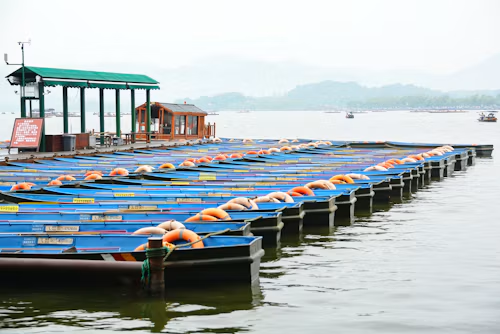
Ensuring safe water access for kayak and SUP users requires dock infrastructure that maintains a consistent freeboard regardless of fluctuating water levels. Specialized marine equipment producers, such as Hisea Dock modular pontoon systems, manufacture modular HDPE floating docks with anti-slip textured surfaces and low-profile deck heights, enabling paddlers to embark and disembark safely without risking tipping or hull damage.
High-Molecular-Weight High-Density Polyethylene (HMWHDPE) delivers exceptional impact resistance, UV stabilization, and chemical immunity. Unlike treated wood that cracks, splinters, or decays over time, blow-molded HDPE modules provide a reliable, maintenance-free foundation engineered for continuous aquatic exposure.
Water-Level Adaptability and Low-Freeboard Access
Fixed wooden pilings maintain a static height above the seabed, creating dangerously high deck clearance during low water periods. Entering a kayak from a high dock forces paddlers to awkwardly lower themselves, significantly increasing the likelihood of capsize.
Modular floating pontoons naturally rise and fall alongside tidal swings, seasonal reservoir drawdowns, and heavy rain runoff. This auto-adjusting capability maintains a low deck freeboard, allowing paddlers to slide smoothly into their cockpits or step onto paddleboards with minimal center-of-gravity displacement.
Slip Resistance and Hull Protection
Wet dock surfaces represent a prime safety hazard for recreational watercraft launches. Traditional wooden planks accumulate slippery algae growth, while concrete piers present harsh abrasive surfaces that strip fiberglass and polyethylene kayak hulls during boarding.
Commercial-grade HDPE floating cubes feature molded anti-skid herringbone patterns that optimize foot traction when wet. Furthermore, the smooth polymer material protects delicate hull gelcoats and carbon-fiber paddles from scratches during launching and retrieval.
Designing an Ergonomic Launch Station for Lakefront Properties
Building an effective paddlesport launch dock requires strategic structural design. Property owners must balance overall deck surface area, load displacement, and entry channels to accommodate multiple users safely.
Key design elements for custom ergonomic launching platforms include:
- Low-Profile V-Ramps: Integrated drive-on entry channels that cradle kayak hulls securely during mounting.
- Perimeter Grab Railings: Heavy-duty marine aluminum or polymer handrails to assist paddlers with physical balance.
- Corner Transit Modules: Beveled dock edges that prevent snagging on leash cords or dry-bag webbing.
Weight Capacity and Multi-Pontoon Stability
A frequent concern regarding plastic docks is structural tipping when multiple people stand near the outer edge. Commercial-grade modular floating pontoons solve this through high displacement density and interlocking pin connections.
Standard modular pontoon configurations deliver a static load capacity of 350 kg/m². Heavy-duty lug connectors absorb dynamic torsional shear forces, keeping the platform stable even during synchronized group launches or heavy watercraft staging.
Eco-Friendly Marine Standards for Protected Waterways
Selecting non-polluting dock materials is essential for preserving delicate aquatic ecosystems and compliance with local environmental regulations. As outlined in water quality guidelines by the U.S. Environmental Protection Agency (EPA), non-encapsulated foam and chemically treated wood pilings can leach toxic pollutants into lake ecosystems, making food-grade recyclable polyethylene floating docks the preferred eco-conscious alternative.
Modern blow-molded HDPE pontoons contain zero toxic additives or heavy metal stabilizers. They do not leach microplastics or chemicals into surrounding waterways, ensuring full compliance with municipal park regulations and wildlife conservation standards.
Conclusion: Sustainable Waterfront Infrastructure for Active Lifestyles
Investing in modular HDPE floating docks represents a transformative upgrade for waterfront property owners and outdoor paddlesport facilities. By eliminating the hazards of fixed piers, modular pontoon systems deliver superior water-level adaptability, non-slip safety, and eco-friendly durability.
Modular floating platforms empower enthusiasts to enjoy kayaks, canoes, and stand-up paddleboards with complete confidence and safety. For sustainable shoreline development, modern pontoon engineering offers the ideal balance of performance, safety, and environmental stewardship.