
Across the medical, metallurgical, and wastewater treatment sectors, the demand for decentralized, on-site oxygen generation has surged exponentially. Industrial facilities are rapidly pivoting away from traditional liquid oxygen delivery logistics.
This industry-wide shift is heavily driven by the need to eliminate supply chain vulnerabilities. Delivering bulk cryogenic oxygen is becoming increasingly cost-prohibitive due to rising transport and storage expenses.
Consequently, engineering teams are transitioning toward Pressure Swing Adsorption (PSA) technology. This method offers a sustainable, continuous supply of high-purity oxygen directly at the point of use.
However, generating medical-grade or industrial-grade oxygen on-site is a highly complex chemical engineering process. The overall efficiency, gas yield, and operational longevity of a PSA system are ultimately dictated by the core adsorbent materials utilized within its columns.
The Physics of Pressure Swing Adsorption (PSA)
The fundamental physics of Pressure Swing Adsorption rely on exploiting the differences in molecular kinetics and polarity between nitrogen and oxygen. As compressed atmospheric air enters the vessel, it interacts with highly engineered porous crystalline structures.
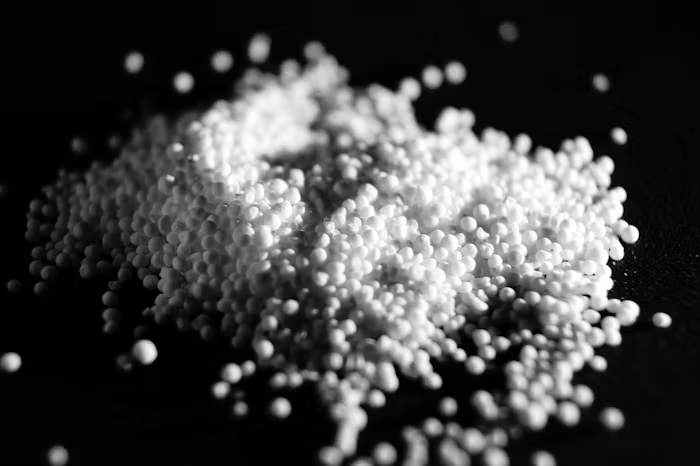
These materials are designed with precise pore diameters that act as molecular sieves. Under high-pressure conditions, the adsorbent material selectively traps nitrogen molecules within its crystalline cavities.
Simultaneously, the less polar oxygen and argon molecules are allowed to pass through the adsorbent bed unobstructed. This continuous separation process is what effectively produces a concentrated oxygen product stream.
In a standard Pressure Swing Adsorption cycle, the system’s overall efficiency is fundamentally dictated by the dynamic nitrogen adsorption capacity of the underlying crystalline structures. The porosity and uniform cavity size of these materials are what make gas separation possible.
According to material data from leading synthetic zeolite manufacturers like Jalon, utilizing highly engineered molecular sieves allows industrial PSA systems to maximize oxygen recovery rates. They achieve this by prioritizing rapid nitrogen adsorption under fluctuating atmospheric pressures, significantly reducing the required air-to-oxygen ratio.
Nitrogen Adsorption Dynamics
The internal kinetics of nitrogen adsorption dynamics are highly dependent on the rapid pressurization and depressurization cycles of the system. Once the adsorbent bed reaches its maximum adsorption capacity, the system depressurizes.
This rapid drop in pressure releases the trapped nitrogen back into the atmosphere as exhaust. The twin-tower configuration of most PSA systems ensures that while one tower is actively adsorbing nitrogen, the other is undergoing this critical desorption phase.
Optimizing this dynamic cycle requires adsorbents with exceptional mass transfer kinetics. If the nitrogen molecules cannot enter and exit the crystalline pores rapidly enough, the entire system’s cycle time must be extended.
Selecting the Optimal Molecular Sieve for Oxygen Purity
To achieve oxygen purities exceeding 93%, system integrators must carefully evaluate the chemical properties of the adsorbent bed. Not all molecular sieves are engineered to the same specifications.
The thermodynamic separation factor between nitrogen and oxygen dictates how much raw air must be compressed to yield one unit of pure oxygen. Selecting a high-performance sieve minimizes compressor workload and maximizes output.
13X vs. Lithium-Exchanged Zeolites
Historically, standard 13X molecular sieves (sodium-based zeolites) have been the industry baseline for oxygen generation. They offer reliable performance and an adequate nitrogen adsorption capacity for standard industrial applications.
However, modern high-efficiency PSA and VPSA (Vacuum Pressure Swing Adsorption) systems are increasingly adopting Lithium-exchanged zeolites (Li-LSX). These advanced adsorbents offer vastly superior performance metrics.
Here is a technical comparison of the two materials:
- Nitrogen-to-Oxygen Separation Factor:Lithium-exchanged zeolites provide a significantly higher separation factor (typically >6.0) compared to standard 13X molecular sieves (~3.0), resulting in much higher oxygen purity.
- Dynamic Adsorption Capacity: Li-LSX holds up to 2.5 times the nitrogen adsorption capacity of standard 13X, allowing for smaller adsorption vessels and a reduced overall system footprint.
- Desorption Kinetics: The weaker binding energy of nitrogen to lithium cations (compared to sodium) allows for faster desorption rates during the depressurization phase, accelerating cycle times.
- Air-to-Oxygen Ratio: Systems using Lithium-exchanged zeolites require drastically less compressed air per volume of oxygen produced, dropping the ratio from roughly 10:1 down to 6:1 or lower.
While the initial material costs for lithium-based zeolites are undeniably higher, their chemical mechanics are vastly superior. These advanced adsorbents are practically mandatory for compact medical oxygen generators and large-scale industrial VPSA plants.
Mitigating Moisture and Contaminants in the Feed Air
Even the most highly engineered Lithium-exchanged zeolites are highly susceptible to irreversible degradation if the feed air is improperly treated. Atmospheric moisture is the primary threat to the longevity of the adsorbent bed.
Because molecular sieves possess a much higher affinity for water vapor than for nitrogen, moisture will quickly occupy the active adsorption sites. This phenomenon, known as adsorbent “poisoning,” severely diminishes the nitrogen adsorption capacity.
Furthermore, oil aerosols originating from the air compressor can coat the outer surface of the molecular sieve pellets. This oily barrier blocks the micro-pores entirely, permanently blinding the adsorbent material and stalling the gas separation process.
To prevent this catastrophic failure, an extensive pre-treatment sequence is strictly required. Multi-stage coalescing filters must be deployed to eliminate oil aerosols and solid particulates before the air reaches the towers.
Most importantly, a layer of Activated Alumina is typically installed at the base of the PSA vessels. Activated Alumina serves as an aggressive desiccant, effectively stripping moisture from the compressed air before it can reach and degrade the sensitive zeolite bed.
The Financial Impact of Adsorbent Lifespan on Facility OPEX
When specifying a PSA oxygen system, facility managers must look beyond the initial Capital Expenditure (CAPEX) of the equipment. The operational profitability of the system is heavily tied to the long-term integrity of the adsorbent bed.
Utilizing premium Lithium-exchanged zeolites alongside robust Activated Alumina pre-treatment may increase upfront costs. However, this configuration directly optimizes the system’s Operational Expenditure (OPEX) over a 10-to-15-year lifecycle.
Because high-quality adsorbents lower the required air-to-oxygen ratio, the feed air compressor operates at significantly reduced loads. Since electrical power for the compressor accounts for up to 80% of a PSA plant’s total OPEX, these energy savings are immense.
The global shift towards decentralized, on-site gas production is heavily driven by both supply chain vulnerabilities and strict economic pressures. With international organizations like the WHO highlighting the critical importance of secure access to medical oxygen and industrial sectors expanding their demands, facility managers can no longer afford the OPEX drain of inefficient gas generation.
Maximizing the structural integrity and selectivity of the adsorbent bed is the most direct path to securing a reliable, cost-effective gas supply. Investing in superior chemical engineering at the component level guarantees long-term financial and operational resilience.