
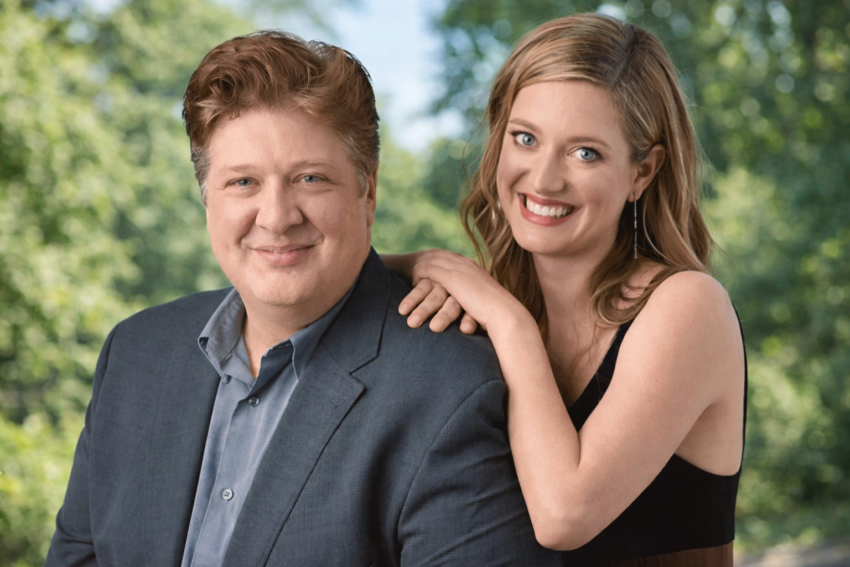
In the modern celebrity ecosystem, fame rarely stops with the person on screen. Spouses, partners, and family members often find their names circulating online, sometimes with more speculation than fact. Aliza Barber is one such figure. Known primarily as the wife of actor Lance Barber, she has attracted public curiosity while maintaining a notably private life. Unlike many individuals connected to Hollywood, Aliza Barber has not sought attention, branding opportunities, or a public-facing persona. Instead, her story is one of quiet professionalism, family focus, and intentional distance from the spotlight.
This biography-style article explores what is genuinely known about Aliza Barber, places her life in context, and explains why her limited public presence is both deliberate and meaningful. Rather than filling gaps with conjecture, the goal here is to present a grounded portrait based on credible information and thoughtful interpretation.
Early Life and Personal Background
Details about Aliza Barber’s early life are scarce, and that scarcity itself is telling. There are no widely published interviews, memoirs, or social media narratives outlining her childhood, education, or upbringing. In an era where personal history is often repackaged into digestible online stories, her absence from that trend suggests a conscious choice to separate personal identity from public consumption.
What can be reasonably inferred is that Aliza Barber built her life outside of entertainment media. Her professional path, later described as being in the culinary field, points to training and experience rooted in hands-on, skill-based work rather than performance or publicity. This distinction matters because it frames her not as a celebrity-adjacent personality, but as an independent professional with her own career trajectory.
Professional Life as a Chef
Aliza Barber is most commonly described in reputable sources as a professional chef. While the specifics of her culinary career are not publicly detailed, the title itself carries weight. Being a chef typically requires years of training, long hours, and a high level of discipline. It is not a casual label, nor is it usually applied without practical experience.
The culinary profession is demanding both physically and creatively. Chefs often work irregular schedules, manage high-pressure environments, and continuously refine their craft. Whether working in restaurants, private kitchens, catering, or food development, the role demands commitment. Aliza Barber’s identification with this profession suggests a strong work ethic and a preference for tangible, skill-driven achievement rather than public recognition.
Her work as a chef also helps explain her low online profile. Unlike careers in entertainment or media, culinary work does not require personal branding or constant visibility. Many chefs build successful careers without becoming public figures, especially those who prioritize their work over fame.
Relationship With Lance Barber
Aliza Barber is married to actor Lance Barber, who is widely known for his role as George Cooper Sr. on the television series Young Sheldon. Their relationship has drawn attention largely because of Lance Barber’s public career, not because of any effort by Aliza to be visible.
The couple is often described as private, and there is little public documentation of their courtship or marriage. This absence contrasts sharply with the norms of celebrity culture, where relationships are frequently documented in detail. Instead, Aliza and Lance Barber appear to have established boundaries early on, keeping their personal lives separate from professional exposure.
This approach has likely contributed to the longevity and stability of their relationship. By avoiding excessive public scrutiny, they reduce external pressures that often complicate marriages connected to the entertainment industry. Their partnership seems grounded in mutual respect for privacy and individuality.
Family Life and Parenting
Aliza Barber and her husband have two children together. Beyond that basic fact, very little information about their family life is publicly shared. This restraint is significant, especially in a media environment where children of public figures are often discussed, photographed, and analyzed.
Choosing to keep children out of the public eye reflects a protective parenting philosophy. It prioritizes normalcy and emotional safety over public interest. Aliza Barber’s role as a mother, though largely unseen, is likely central to her daily life and decision-making.
Balancing a demanding profession with family responsibilities requires organization and adaptability. For someone married to an actor with an unpredictable schedule, that balance becomes even more complex. Aliza Barber’s ability to maintain this balance while remaining largely invisible to the public speaks to a strong sense of personal priorities.
Life Away From the Spotlight
One of the most defining aspects of Aliza Barber’s biography is her relationship with privacy. In contrast to many individuals connected to Hollywood, she does not maintain a prominent public social media presence, nor does she appear regularly at industry events. When she does appear in public contexts, it is typically in support of her husband rather than as a public figure in her own right.
This lifestyle choice challenges the assumption that proximity to fame must result in visibility. Aliza Barber’s life demonstrates that it is possible to be connected to a well-known actor while remaining grounded and private. Her example highlights an alternative model of success, one based on personal fulfillment rather than public validation.
Living in or near Los Angeles, a city deeply intertwined with the entertainment industry, makes this choice even more notable. The cultural pressure to participate in visibility is strong, yet she appears to have resisted it consistently.
Public Perception and Online Speculation
Despite her limited public footprint, Aliza Barber’s name appears frequently online. Search results often include speculative biographies, estimated net worth figures, and detailed personal claims that lack credible sourcing. This phenomenon reflects a broader issue in digital media, where demand for content can outpace the availability of verified information.
When factual details are scarce, repetition can create the illusion of truth. A single unverified claim, once copied across multiple sites, can appear authoritative simply through volume. Aliza Barber’s case illustrates how quickly misinformation can spread when a person chooses not to define their own narrative publicly.
For readers, this underscores the importance of critical evaluation. Not every polished biography reflects reality, and not every gap needs to be filled. In many cases, the most accurate representation is one that acknowledges uncertainty rather than inventing detail.
Identity Beyond Celebrity Association
It is easy to define Aliza Barber solely in relation to her husband’s career, but doing so would be incomplete. Her professional identity as a chef and her role as a parent and partner exist independently of Lance Barber’s acting work. These aspects of her life likely shape her daily experiences far more than public attention ever could.
This distinction matters because it reframes how we understand people connected to fame. Rather than treating them as extensions of a celebrity brand, it recognizes them as individuals with their own skills, ambitions, and values. Aliza Barber’s biography, though not publicly expansive, points to a life built on substance rather than spectacle.
The Broader Cultural Context
Aliza Barber’s story fits into a growing cultural conversation about privacy, especially for those adjacent to public life. As audiences become more aware of the consequences of overexposure, there is increasing respect for individuals who choose restraint. Her low-profile approach aligns with a shift toward valuing authenticity and boundaries over constant visibility.
In this context, her biography is less about missing information and more about intentional design. It reflects a conscious decision to live fully without performing life for an audience. That choice, while uncommon in celebrity culture, resonates with many people navigating their own relationships with technology and exposure.
Conclusion
Aliza Barber is a figure defined as much by what she withholds as by what is known. She is a professional chef, a wife, and a mother, connected to the entertainment world yet clearly separate from it. Her life illustrates that proximity to fame does not require participation in it, and that privacy can be a powerful form of self-definition.
Rather than a story of mystery, her biography is a story of balance. It shows how a person can maintain a meaningful career, support a partner in a public profession, and raise a family while remaining grounded and largely unseen. In a digital age hungry for detail, Aliza Barber’s quiet presence offers a reminder that not every life needs to be fully documented to be fully lived.