
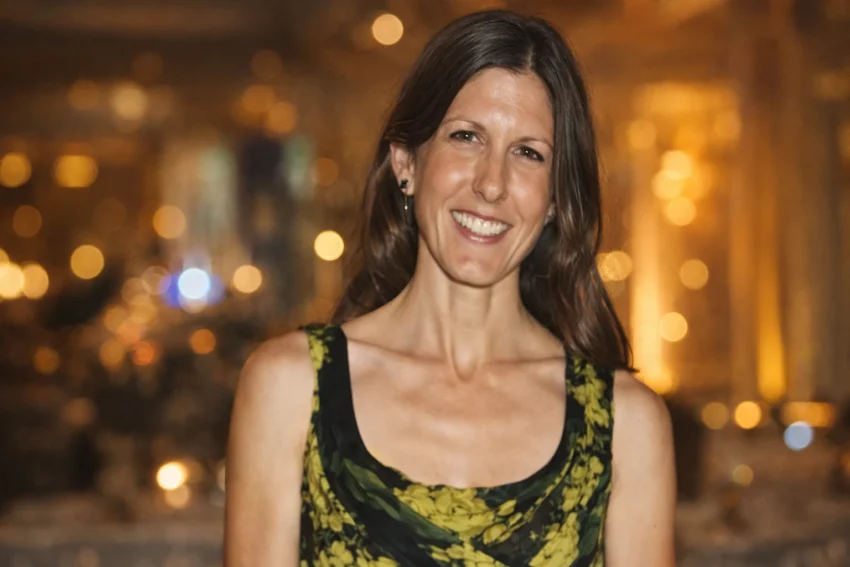
Some people are born into history before they are old enough to understand it. Amanda Kate Lambert is one of them. As the daughter of singer Nancy Sinatra and the granddaughter of legendary entertainer Frank Sinatra, her name is tied to one of the most influential families in American entertainment. Yet unlike many descendants of cultural icons, Amanda has chosen a life largely outside the spotlight.
Her story is not one of headline-grabbing fame or constant public appearances. Instead, it is a quieter narrative shaped by art, heritage, and a deep respect for privacy. Over the years, curiosity about Amanda Kate Lambert has grown, driven by public fascination with the Sinatra legacy. However, her own path reveals something more nuanced: a woman navigating inherited fame while defining her own identity.
Understanding Amanda’s life means looking beyond celebrity and into the personal and creative influences that shaped her.
Early Life and Family Background
Born Into a Legendary Lineage
Amanda Kate Lambert was born on March 17, 1976, to Nancy Sinatra and Hugh Lambert. Her mother, Nancy Sinatra, became a pop culture icon in the 1960s with hits like “These Boots Are Made for Walkin’.” Her grandfather, Frank Sinatra, remains one of the most celebrated vocalists and performers in American history.
Growing up with such a powerful legacy inevitably shapes a child’s world. Music, performance, and creative expression were not distant ideas in Amanda’s upbringing. They were part of everyday life. Family gatherings likely included stories from the golden age of Hollywood, conversations about recording studios, and memories of international tours.
Yet despite that proximity to fame, Amanda’s childhood was not built around public spectacle. Her parents maintained a relatively private family life, especially compared to the intense scrutiny often faced by celebrity households.
The Influence of Hugh Lambert
Amanda’s father, Hugh Lambert, was a dancer and choreographer who later became Nancy Sinatra’s manager. His artistic sensibilities added another dimension to Amanda’s upbringing. Hugh’s creative background in performance and movement complemented Nancy’s musical career, creating a household deeply rooted in the arts.
Tragically, Hugh Lambert passed away in 1985 when Amanda was still young. Losing a parent at an early age often leaves a lasting imprint. While Amanda has not publicly discussed this chapter in depth, it is reasonable to understand that such an experience would shape her emotional landscape and her sense of resilience.
Growing Up Under the Sinatra Shadow
The Weight of a Famous Surname
Carrying the Sinatra name comes with both privilege and pressure. Frank Sinatra was more than a singer; he was a symbol of American cool, a cultural force whose influence crossed music, film, and politics. His career spanned decades, and his persona became almost mythic.
For Amanda, this meant growing up with a family narrative that was already written into history books. While many grandchildren of famous figures fade quietly into ordinary life, public curiosity about the Sinatra family remains intense even decades after Frank’s passing.
This environment can shape identity in complex ways. On one hand, there is pride in belonging to such a lineage. On the other, there is the challenge of establishing individuality without being constantly compared to a towering legacy.
Amanda’s response appears to have been thoughtful and deliberate. Rather than pursuing mainstream celebrity, she leaned toward creative work that aligns with heritage while maintaining personal boundaries.
Choosing Privacy in a Public Era
In today’s digital world, privacy has become increasingly rare. Many celebrity descendants build social media platforms and brand identities around their family name. Amanda Kate Lambert has taken a different path.
She has largely remained out of the public eye, choosing not to cultivate a highly visible public persona. This decision is striking, especially in an age where visibility often translates into opportunity. Her restraint suggests a conscious effort to separate personal life from public legacy.
That separation has only increased curiosity. People search for her story precisely because she has not placed it front and center.
Creative Pursuits and Artistic Identity
A Connection to Photography and Visual Arts
While Amanda has not pursued a mainstream entertainment career, she has been associated with artistic and visual storytelling work. Creative expression seems to run in the family, and her interests reflect a continuation of that tradition in a more understated form.
Photography, in particular, has been connected to her name in various contexts. Visual art allows for storytelling without spectacle. It captures moments rather than commands attention. For someone raised in a family defined by performance, this shift toward quiet observation feels meaningful.
Art can also serve as a bridge between generations. Through visual storytelling, Amanda participates in cultural preservation while expressing her own aesthetic sensibilities.
Preserving the Sinatra Legacy
One of Amanda’s most notable public contributions has been her involvement in archival and legacy projects related to Frank Sinatra. In 2015, during the centennial celebration of her grandfather’s birth, a luxury collector’s book titled “Sinatra” was published. Amanda, under the name Amanda Erlinger, was credited as a compiler alongside Robin Morgan.
The book featured rare images, personal artifacts, and curated materials from the Sinatra family archives. Projects like this require careful research, emotional investment, and respect for historical accuracy. They are not superficial tributes. They are acts of preservation.
Through such work, Amanda has played a role in shaping how future generations understand Frank Sinatra. Rather than performing his songs or recreating his image, she has helped safeguard the authenticity of his story.
Relationship With Nancy Sinatra
Mother and Daughter in the Public Eye
Nancy Sinatra’s career brought her immense popularity in the 1960s and beyond. As a public figure, Nancy has balanced her music career with motherhood, often speaking fondly of her daughters.
Amanda’s relationship with her mother appears to be grounded in mutual respect. Nancy has occasionally referenced her daughters in interviews and social media posts, though she has also protected their privacy.
Growing up with a mother who understood both fame and its consequences likely influenced Amanda’s approach to public life. Nancy experienced the pressures of stardom firsthand, and those experiences may have shaped how she raised her children.
Shared Respect for Heritage
Both Nancy and Amanda have shown a clear commitment to preserving Frank Sinatra’s legacy. For Nancy, it is a daughter’s tribute. For Amanda, it is both a granddaughter’s homage and a custodian’s responsibility.
That shared mission strengthens the narrative of continuity within the Sinatra family. It also underscores the importance of stewardship in families with historical impact.
Public Curiosity and Media Attention
Why Interest Persists
Even though Amanda Kate Lambert has not sought widespread fame, interest in her life persists. The Sinatra name continues to generate fascination. New generations discover Frank Sinatra’s music through streaming platforms, documentaries, and tribute performances.
As interest in the patriarch resurges, so does curiosity about his descendants. People want to know how the family lives today. They wonder whether artistic talent has carried forward and how legacy is managed in modern times.
Amanda’s low-profile approach adds an element of mystery. In a world accustomed to oversharing, discretion becomes intriguing.
Separating Fact From Speculation
With limited public information available, speculative content often circulates online. It is important to approach biographical details with care. Verified information about Amanda primarily relates to her family background and documented creative contributions.
Respecting those boundaries is essential. Not every life connected to fame must be fully documented for public consumption.
Personal Identity Beyond Fame
Crafting an Independent Narrative
For anyone born into a well-known family, self-definition can be challenging. Expectations, comparisons, and assumptions follow closely behind a famous surname. Amanda Kate Lambert appears to have navigated that terrain by choosing authenticity over attention.
By focusing on creative work and legacy preservation rather than celebrity culture, she has shaped an identity grounded in substance. This approach reflects confidence. It suggests comfort with who she is, independent of public validation.
A Modern Approach to Legacy
In the twenty-first century, legacy is not only about memory. It is about stewardship. Archives must be curated. Narratives must be contextualized. Historical materials must be protected from distortion.
Amanda’s involvement in preserving her grandfather’s history demonstrates an understanding of that responsibility. She occupies a unique position as both family member and custodian of cultural memory.
That role requires sensitivity. It also requires discernment about what to share and what to keep private.
The Broader Meaning of Her Story
Amanda Kate Lambert’s biography is not filled with dramatic headlines or viral moments. Instead, it tells a quieter story about inheritance, creativity, and choice.
Her life illustrates that proximity to fame does not demand performance. It does not require constant visibility. Sometimes, the most meaningful contributions happen behind the scenes.
In an era driven by exposure and self-promotion, her example offers contrast. She demonstrates that privacy can coexist with cultural relevance. One can honor a legendary past without being consumed by it.
Her story also reminds us that celebrity families are still families. They experience love, loss, growth, and transformation like any other household. Fame may amplify visibility, but it does not erase humanity.
Conclusion
Amanda Kate Lambert stands at the intersection of history and individuality. Born into one of America’s most iconic entertainment families, she could have chosen a highly public path. Instead, she embraced a quieter life centered on creativity and preservation.
As the daughter of Nancy Sinatra and granddaughter of Frank Sinatra, she carries a name rich with meaning. Yet her choices reflect independence rather than imitation. Through archival work and artistic pursuits, she has contributed to safeguarding a legacy that shaped twentieth-century culture.
Her biography may not be loud, but it is thoughtful. It reveals the strength required to honor heritage while maintaining personal boundaries. In doing so, Amanda Kate Lambert offers a subtle but powerful example of how to live alongside fame without surrendering identity.
Sometimes, the most compelling stories are not the ones shouted from stages. They are the ones carefully written behind the curtain, ensuring that history endures with integrity. Amanda’s life, measured and intentional, belongs firmly in that category.