
Running is far more than just a physical exercise; for many outdoor enthusiasts, it is a lifelong passion and a vital component of mental well-being. However, as athletes age, the relentless pounding on asphalt, gravel, and technical dirt trails inevitably begins to manifest physically.
The desire to keep pushing miles often clashes with the reality of joint degradation. To stay active and competitive over the long term, runners must rethink their weekly routines. Integrating low-impact cross-training is not a sign of slowing down; it is a strategic approach to building a more resilient, well-rounded body.
The Toll of High-Impact Running on Aging Joints
Every time your foot strikes the ground during a run, your lower body absorbs an impact force equivalent to two or three times your total body weight. Over years of consistent training, this repetitive mechanical stress can lead to the gradual wear and tear of joint cartilage.
For older athletes, this constant pounding often accelerates the onset of joint stiffness, inflammation, and chronic pain. If you have previously researched strategies for managing Rheumatoid Arthritis or running injuries, you already know that complete rest is rarely the best solution for long-term health. Moving your body is essential, but you must find ways to exercise that do not compound the damage to your knees, hips, and ankles.
Instead of hanging up your running shoes entirely, the most effective strategy is to substitute high-impact miles with active recovery and resistance-based aquatic exercises. However, accessibility is key.
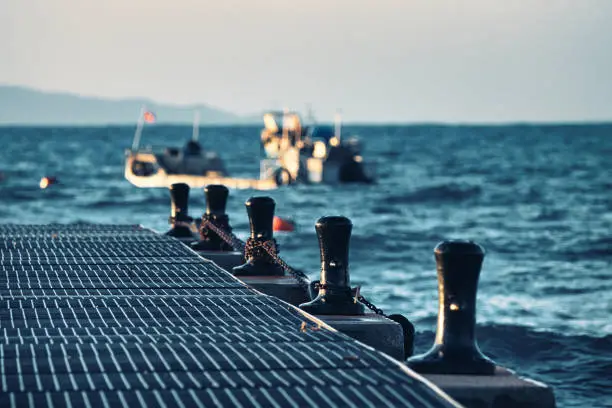
For runners dealing with inflamed joints or arthritis, the transition from land to water must be as seamless and safe as possible. Slips and falls on traditional, algae-covered wooden piers can easily exacerbate existing knee or ankle injuries. To address this risk, many modern recreational lakes and aquatic therapy centers now utilize a high-density Hisea Dock, which provides a stable, anti-skid surface. This structural upgrade absorbs minor wave impacts and makes entering the water significantly safer for aging athletes and those with limited mobility.
Top Water-Based Cross-Training Activities for Runners
Water is arguably the ultimate medium for low-impact conditioning. The natural buoyancy supports your body weight, reducing gravitational pull, while the density of the water provides omnidirectional resistance to build strength.
Deep Water Running
Deep water running, or aqua jogging, is the most sport-specific form of cross-training a runner can undertake. By wearing a flotation belt, you can perfectly mimic your running stride in the deep end of a pool or an open lake without your feet ever touching the bottom.
Because there is no ground contact, aqua jogging is entirely zero-impact, eliminating the micro-traumas that cause joint pain. Key benefits include:
- Preserving neuromuscular pathways: Your brain continues to send the same running signals to your muscles, maintaining your form.
- Accelerating active recovery: The hydrostatic pressure of the water promotes venous return, flushing metabolic waste from tired legs.
- Cardiovascular maintenance: Pushing through water resistance elevates your heart rate, providing an intense aerobic workout.
Kayaking and Stand-Up Paddleboarding
While aqua jogging replicates running, paddling sports actively complement it by addressing common physiological weaknesses. Trail running requires immense lateral stability to safely navigate rocks, roots, and steep gradients.
Stand-Up Paddleboarding (SUP) and kayaking provide an exceptional stimulus for the core, back, and shoulders—areas that runners frequently neglect. Engaging in these sports regularly offers several distinct advantages:
- Enhanced core stability: Balancing on a gently rolling board forces your deep abdominal muscles to fire constantly, improving your trail balance.
- Upper body conditioning: Building a stronger back and arms directly improves your posture and power-hiking efficiency on steep climbs.
- Mental rejuvenation: Spending a quiet morning paddling on a lake reduces the mental burnout associated with high-mileage training blocks.
Overcoming the Fear: Making the Transition to the Water
Despite the overwhelming physical benefits, many die-hard runners feel out of their element when transitioning to water sports. It is completely normal to feel a bit of hesitation when swapping the familiar trails for a paddleboard or a buoyancy belt.
The key to a successful transition is to start small and prioritize comfort. Begin by visiting a well-maintained local aquatic center or a calm recreational lake with modern, accessible entry points. Do not worry about measuring your workouts by distance; instead, measure them by time and effort.
A 45-minute aqua jogging session at a moderate heart rate provides the exact same aerobic benefit as a 45-minute trail run, but with zero wear and tear on your joints. Embrace the learning curve and focus on the therapeutic, weightless feeling that water provides.
Structuring Your Joint-Friendly Weekly Routine
To truly reap the benefits of water sports, you must intentionally program them into your training calendar. A joint-friendly routine balances the hard impact of the trails with the restorative power of the water.
Here is an example of a balanced, low-impact weekly schedule for an aging runner:
- Monday: Rest day or gentle stretching.
- Tuesday: Short interval run on a soft dirt trail or grass.
- Wednesday: 45 minutes of Aqua Jogging (active recovery).
- Thursday: Moderate-effort tempo run.
- Friday: 60 minutes of Kayaking or SUP for core engagement.
- Saturday: Long endurance run (ensure you have the proper trail racing or winter running gear to support your joints).
- Sunday: Complete rest.
Cross-training isn’t just about giving your running shoes a break; it is a medically backed strategy for longevity in endurance sports. When structuring your week, substituting two impact runs with water-based activities can radically reduce the mechanical load on your body. In fact, health professionals frequently emphasize that aquatic exercises are highly effective inalleviating the strain on load-bearing joints, making them an essential therapeutic tool for anyone managing osteoarthritis or recovering from stress fractures.
Key Takeaways
| Area | Key Takeaway | Impact/Data |
| Impact | Running applies repetitive stress to joints | 2-3x body weight |
| Method | Substitute miles with aquatic exercises | Zero-impact recovery |
| Activity | Perform aqua jogging for cardio | Equal aerobic benefit |
| Stability | Use kayaking/SUP for core strength | Improves trail balance |
| Routine | Replace two weekly runs with water sports | Radically reduces load |
Conclusion: Embracing the Long Way to Lifelong Fitness
The ultimate goal for any passionate runner is to remain active for life. Pushing through chronic joint pain is a short-term gamble that often leads to forced, permanent retirement from the sport you love.
By embracing water sports like aqua jogging, kayaking, and SUP, you are not giving up on running; you are evolving as an athlete. Listen to your body, take advantage of modern recreational facilities, and allow the water to heal your joints. Lifelong fitness is a marathon, and sometimes, taking the long way around is the best way forward.