
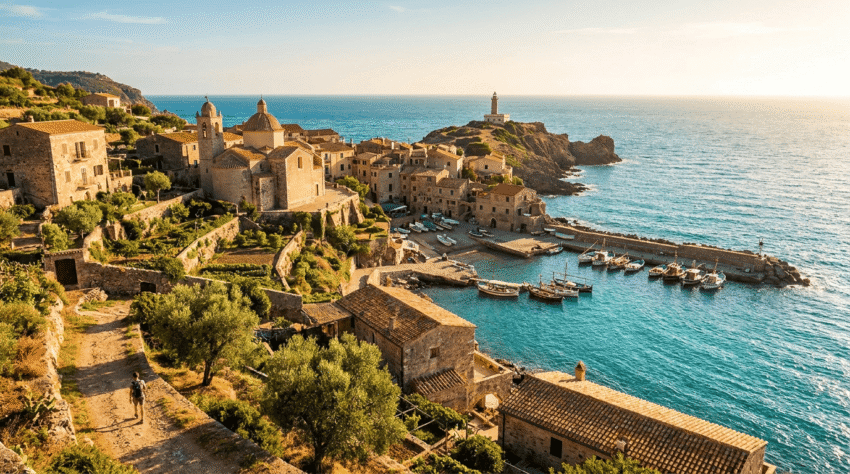
Travel marketing has always been powered by visuals. A single image of a beach, a mountain, or a city skyline can inspire someone to book a trip instantly. But creating these visuals traditionally requires photographers, videographers, travel logistics, and significant budgets.
For travel brands trying to scale content across multiple destinations, this becomes a major challenge. Producing high-quality visuals for every location is expensive, time-consuming, and often limited by geography.
This is where GPT Image 2 is changing the equation. Instead of relying on production teams, travel brands can now generate realistic, high-quality destination visuals digitally. When combined with workflows inside Higgsfield AI, this approach allows brands to scale content production while maintaining a premium look.
This article explores how GPT-2 enables travel brands to create destination visuals without traditional production constraints.
1. Instant Destination Visualization Without Travel
Capturing visuals for different destinations typically involves travel, planning, and coordination. This slows down campaigns and increases costs.
How this workflow works:
· Define destination (e.g., Bali beach, Swiss Alps, Paris streets)
· Specify time of day and atmosphere
· Generate high-quality visuals instantly
· Adjust lighting, composition, and mood
Benefits:
· No travel required
· Faster campaign creation
· Reduced production costs
· Immediate access to multiple locations
Instead of waiting weeks for a shoot, brands can create visuals in minutes.
2. Consistent Visual Identity Across Destinations
Travel brands often promote multiple destinations. Maintaining a consistent visual style across different locations is difficult with traditional photography.
GPT Image 2 ensures consistency.
What stays uniform:
· Color grading
· Lighting style
· Composition patterns
· Brand tone
When used within Higgsfield AI, teams can manage visuals for different destinations while keeping a unified identity.
Why this matters:
· Stronger brand recognition
· Professional presentation
· Better audience trust
Consistency helps travelers associate visuals with a specific brand.
3. Seasonal and Weather Variations on Demand
Travel marketing often depends on seasons—summer beaches, winter mountains, autumn landscapes. Capturing all these variations requires multiple shoots.
GPT Image 2 makes this flexible.
Examples:
· Show the same destination in summer and winter
· Add sunset or sunrise lighting
· Create rainy or snowy environments
Advantages:
· More diverse content
· Better storytelling
· Increased engagement
This allows brands to showcase destinations in different moods without additional production.
4. Faster Campaign Execution
Speed is critical in travel marketing. Trends change quickly, and brands need to respond in real time.
Traditional workflows delay campaigns due to:
· Travel planning
· Shooting schedules
· Editing timelines
GPT Image 2 accelerates execution.
Workflow improvements:
· Generate visuals instantly
· Make adjustments quickly
· Launch campaigns faster
Impact:
· Better timing
· Increased competitiveness
· More agile marketing
Higgsfield AI supports this by enabling teams to manage campaigns efficiently.
5. Cost Efficiency Without Compromising Quality
Travel shoots are expensive. Costs include:
· Flights
· Accommodation
· Equipment
· Production teams
GPT Image 2 reduces these expenses.
Cost-saving areas:
· No travel costs
· No crew requirements
· Minimal post-production
Result:
· Lower marketing budgets
· Scalable content creation
· Higher ROI
Higgsfield AI enhances this by combining tools into a single workflow.
6. Customizing Visuals for Target Audiences
Different audiences respond to different styles. A luxury traveler may prefer high-end visuals, while budget travelers may prefer relatable imagery.
GPT Image 2 allows customization.
What can be adjusted:
· Lighting and mood
· Environment details
· Visual tone (luxury, adventure, casual)
Benefits:
· More personalized campaigns
· Higher engagement
· Better alignment with audience expectations
This flexibility helps brands connect with diverse audiences.
7. Creating Story-Driven Travel Content
Travel marketing is not just about locations—it’s about experiences.
GPT Image 2 helps create story-driven visuals.
Examples:
· A couple walking on a beach at sunset
· A traveler exploring a city street
· A family enjoying a resort
Why it works:
· Adds emotional appeal
· Improves engagement
· Enhances storytelling
Higgsfield AI supports this by enabling creative experimentation within a structured workflow.
8. Multi-Platform Content Adaptation
Travel brands promote content across websites, social media, ads, and booking platforms.
GPT Image 2 allows easy adaptation.
Capabilities:
· Resize visuals for different platforms
· Maintain quality across formats
· Adjust composition for each channel
Benefits:
· Consistent branding everywhere
· Faster deployment
· Reduced design effort
This ensures that visuals perform well across all channels.
9. Scaling Content for Large Destination Portfolios
Large travel companies promote hundreds of destinations. Scaling visual production is a major challenge.
GPT Image 2 makes scaling possible.
Workflow advantages:
· Generate visuals for multiple destinations quickly
· Maintain consistent quality
· Reduce manual effort
Business impact:
· Handle large portfolios efficiently
· Maintain brand consistency
· Improve productivity
Higgsfield AI enables teams to manage this scale within a single system.
10. Improving Engagement and Conversion Rates
High-quality visuals directly impact travel decisions. Better images lead to higher engagement and bookings.
GPT Image 2 improves performance by:
· Creating visually appealing content
· Enhancing realism and detail
· Offering diverse perspectives
Result:
· More clicks
· Higher engagement
· Increased bookings
Why This Shift Matters for Travel Brands
The travel industry is highly competitive. Brands that produce better visuals stand out.
Key advantages:
· Faster content creation
· Lower costs
· Greater flexibility
· Higher engagement
GPT Image 2 addresses all these factors.
Best Practices for Travel Marketing Teams
To maximize results, teams should follow a structured approach.
Recommended strategies:
· Define clear destination concepts
· Maintain consistent visual style
· Use multiple variations for storytelling
· Adapt visuals for different platforms
· Combine AI output with human creativity
Final Thoughts
Travel marketing no longer needs to rely on large production teams. With GPT Image 2, brands can create high-quality destination visuals quickly and efficiently.
When integrated into workflows supported by Higgsfield AI, this approach becomes a scalable system for content creation and campaign execution.
For travel brands looking to reduce costs, increase speed, and maintain visual quality, this shift offers a powerful competitive advantage.