

For most viewers, the name James Arness brings back the image of Marshal Matt Dillon standing in the dusty streets of Dodge City. For decades, the actor’s commanding presence on “Gunsmoke” made him one of the most recognizable faces in American television history. But away from the cameras, the Arness family lived a far more private and complicated life, and few stories from that world remain as quietly haunting as that of Jenny Lee Arness.
Jenny Lee Arness never became a major actress, celebrity, or public figure in her own right. She appeared briefly on “Gunsmoke” as a teenager, then largely disappeared from public view before her life ended tragically in 1975 at just 24 years old. Even now, decades later, her name continues to surface in searches tied to classic television, Hollywood families, and the private struggles hidden behind fame.
Part of the fascination comes from how little is actually known. Jenny lived close to one of television’s biggest stars during one of Hollywood’s most powerful eras, yet she remained almost entirely outside the spotlight. The result is a biography built less around publicity and more around fragments of public record, family history, television archives, and the memories attached to one of America’s longest-running TV dramas.
Early Life and Family Background
Jenny Lee Arness was born on May 23, 1950, in Los Angeles, California. She was the daughter of actor James Arness and actress Virginia Chapman, a couple whose relationship began years before “Gunsmoke” transformed James Arness into a television icon. The family lived within Hollywood’s orbit but appears to have maintained a guarded private life, especially as James Arness became increasingly famous.
James Arness had already begun building a successful film career by the time Jenny was born. Standing 6 feet 7 inches tall, he had an unmistakable screen presence that helped him land roles in Westerns and war films during the late 1940s and early 1950s. His breakthrough came in 1955 when he was cast as Marshal Matt Dillon in “Gunsmoke,” a role he would play for two decades.
Jenny grew up alongside two brothers. Her younger brother, Rolf Aurness, later became a world champion surfer and earned recognition in the surfing world during the 1970s. Her older adopted brother, Craig Aurness, built a career in photography and later worked with National Geographic and Westlight stock photography. The family name itself sometimes appeared as “Aurness,” reflecting James Arness’s original surname before he dropped the “u” for professional reasons.
Not many people know this, but the Arness household appears to have been far more unstable than the calm public image surrounding James Arness suggested. Reports published after his death described marital strain between James and Virginia Chapman, including difficult custody disputes during the early 1960s. While the family rarely discussed these matters publicly, later accounts suggested that the pressure of Hollywood fame and personal struggles deeply affected the home environment.
Growing Up During the “Gunsmoke” Years
Jenny’s childhood unfolded during the peak of “Gunsmoke’s” cultural power. The show debuted on CBS in 1955 and eventually became one of the most successful dramas in television history. By the 1960s, James Arness had become a defining television figure, associated with strength, reliability, and quiet authority.
For viewers, Matt Dillon represented stability. But the children of major television stars often experienced fame very differently from the audiences watching at home. James Arness himself reportedly tried to shield his children from Hollywood publicity and rarely spoke about family life in interviews. Friends and reporters frequently described him as intensely private, especially regarding his children.
Jenny therefore grew up in an unusual position. She belonged to one of television’s most recognized families, yet she lived mostly outside celebrity culture. Unlike many children of famous actors, she did not become a regular tabloid figure or public personality during her teenage years.
The truth is, that privacy may be one reason modern readers remain so curious about her. In an era where celebrity families are constantly visible online, Jenny Lee Arness feels almost unreachable. Very few interviews, photographs, or firsthand public accounts survive, and that absence has created an unusual kind of mystery around her life.
Jenny Lee Arness on “Gunsmoke”
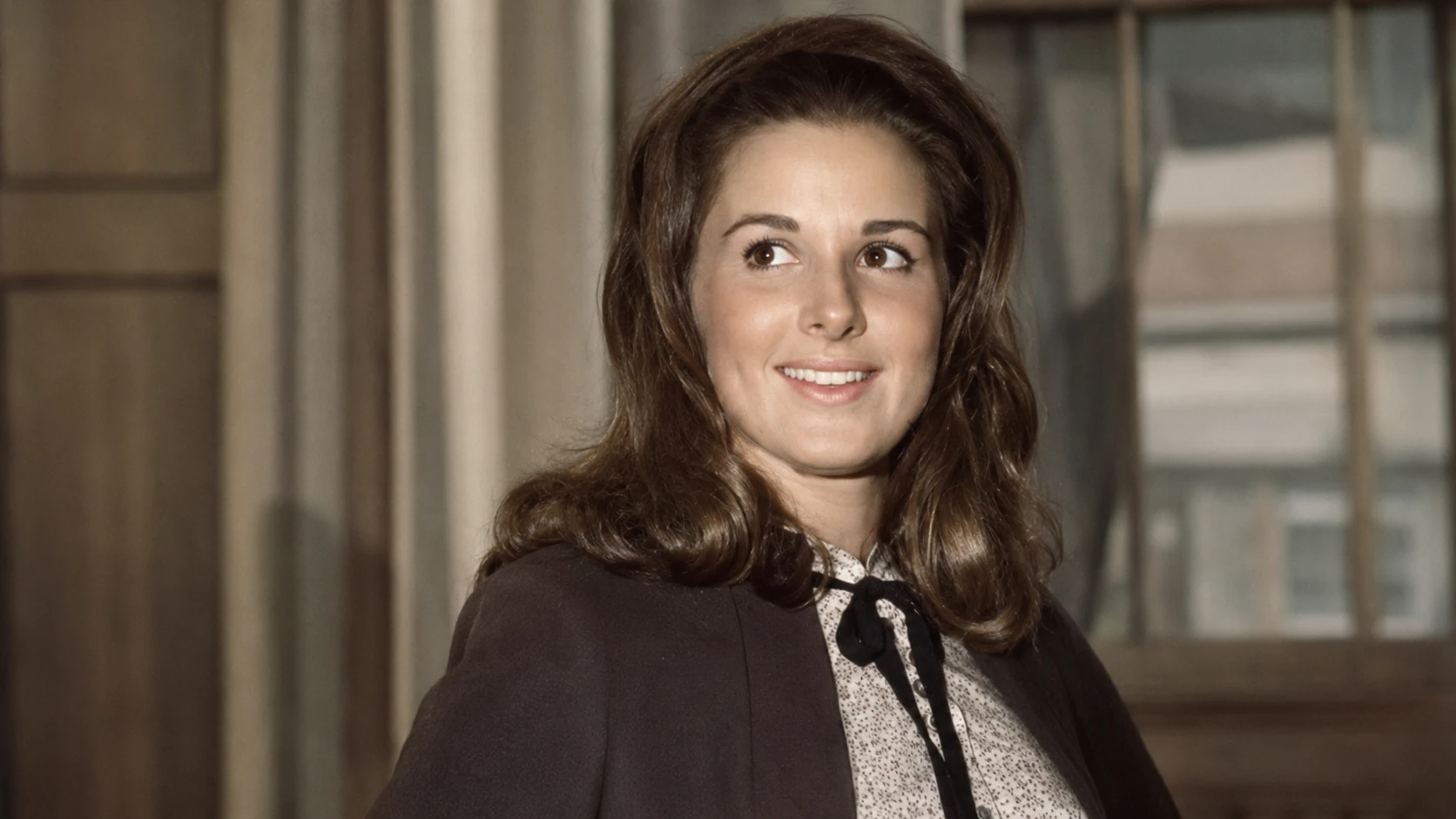
Jenny Lee Arness did briefly step into the acting world connected to her father’s career. In 1964, she appeared in two episodes of “Gunsmoke,” the series that defined James Arness’s life in television. Though her roles were small, they remain the clearest public record of her own time on screen.
Her first appearance came in the episode “The Glory and the Mud,” where she played a character named Amy. The episode aired during the show’s ninth season in January 1964. Later that same year, she appeared in another episode titled “Aunt Thede,” playing a character named Laurie.
At the time, Jenny was still a young teenager. Her appearances were not promoted as major casting events, and there is little evidence that producers intended to launch a larger acting career for her. Instead, the episodes now stand as brief moments where the public could glimpse the daughter of television’s biggest Western star sharing space within the same fictional universe.
What’s surprising is how many viewers later discovered these appearances only years afterward. Because “Gunsmoke” produced hundreds of episodes across two decades, casual audiences rarely noticed the family connection during the original broadcasts. Modern streaming services, online cast listings, and fan discussions eventually brought renewed attention to Jenny’s small but memorable credits.
James Arness and the Private Cost of Fame
The public image surrounding James Arness remained remarkably controlled throughout most of his career. Unlike many Hollywood stars of his era, he rarely courted publicity and avoided turning his family into part of his celebrity identity. Interviews from the period often focused almost entirely on “Gunsmoke,” Westerns, or his military service during World War II.
Behind the scenes, though, the family faced difficult periods. James Arness and Virginia Chapman separated during the early 1960s, and reports later indicated that James eventually gained custody of the children. Virginia struggled with alcoholism and emotional difficulties during later years, issues that reportedly strained the family further.
Jenny grew up during these turbulent transitions. Public records remain limited, and responsible biographies cannot pretend to know the emotional details of her private life. But the timing alone suggests she experienced major changes during adolescence while living inside one of Hollywood’s most visible families.
That contrast shaped much of how later writers viewed the Arness family story. On television, viewers saw a steady Western lawman solving problems with calm confidence. Off-screen, the family dealt with divorce, addiction, loss, and grief like many other families, though under the added pressure of fame and public curiosity.
A Life Largely Outside Public View
After her “Gunsmoke” appearances, Jenny Lee Arness largely disappeared from entertainment coverage. Unlike many children of famous actors, she did not continue pursuing acting through a long list of television guest spots or film credits. Public databases connected to Hollywood contain very little additional professional information about her.
That absence has fueled speculation over the years, but speculation often says more about public curiosity than about the person herself. Many online biographies attempt to fill the gaps with dramatic claims, unsupported rumors, or exaggerated stories about celebrity connections. Careful reporting requires separating documented facts from repeated gossip.
There is little verified evidence that Jenny actively pursued celebrity status during adulthood. No substantial interviews survive, and there are no widely known public appearances associated with her later years. Even photographs of her as an adult remain relatively scarce compared with other Hollywood family figures from the same era.
But here’s the thing. A private life is not automatically a mysterious life. Sometimes the public record is limited simply because someone never chose to live publicly. Jenny Lee Arness appears to have belonged largely to that category.
The Tragic Death of Jenny Lee Arness
Jenny Lee Arness died on May 12, 1975, in Malibu, California. She was only 24 years old and died just days before her 25th birthday. Her death occurred during a difficult period for the Arness family and shortly before the original run of “Gunsmoke” came to an end after twenty years on television.
Public reporting connected her death to a drug overdose. Later summaries and entertainment databases frequently described the death as suicide, though many modern writers rely heavily on secondary accounts rather than original documents. Responsible reporting requires caution here because many details commonly repeated online remain thinly sourced.
The broader historical context also matters. During the late 1960s and 1970s, substance abuse and mental health struggles affected many families in Hollywood and far beyond it. Public discussion of addiction and emotional distress was often limited, and celebrity families especially tended to keep personal matters private.
James Arness rarely spoke publicly in detail about Jenny’s death. That silence was consistent with the way he handled most painful family matters throughout his life. Friends and colleagues often described him as deeply reserved, particularly when conversations turned toward private grief.
The Years After Jenny’s Death
The years following Jenny’s death brought more hardship to the family. Virginia Chapman died in 1977 from an overdose ruled accidental by authorities. By then, the Arness family had already experienced years of emotional strain, and the repeated losses added another painful layer to their history.
James Arness continued working after “Gunsmoke” ended, returning several times for made-for-television reunion films centered on Matt Dillon. Yet people close to him often described a man who remained emotionally guarded. Public admiration for him never faded, but he rarely allowed audiences access to his private struggles.
Meanwhile, Jenny’s younger brother Rolf Aurness moved in a different direction entirely. In 1970, he won the World Surfing Championship and became a respected figure within surf culture. Friends later described him as someone who valued privacy and distance from Hollywood fame, an interesting parallel with other members of the family.
Craig Aurness also built a respected professional life away from acting. His photography work earned recognition through travel and documentary projects, and he became associated with National Geographic-related work. Both brothers carved out identities separate from the enormous shadow cast by “Gunsmoke.”
Why Jenny Lee Arness Still Draws Public Interest
Interest in Jenny Lee Arness has grown steadily in the internet era, especially among classic television fans. Some readers discover her through old “Gunsmoke” cast listings, while others encounter her story while researching James Arness’s family life. The combination of Hollywood fame, personal tragedy, and limited public information has kept curiosity alive.
Part of that interest comes from how strongly “Gunsmoke” remains tied to American television history. The show ran for twenty seasons and produced hundreds of episodes, making it one of the defining programs of its era. Because James Arness became almost inseparable from Matt Dillon in the public imagination, audiences naturally became curious about the people closest to him.
At the same time, modern celebrity culture has changed how audiences think about famous families. Today, actors’ children often grow up publicly through social media, interviews, and entertainment coverage. Jenny’s life belonged to a very different period, when privacy was easier to maintain and family tragedies could remain largely outside public discussion.
Here’s where it gets interesting. The lack of public material has actually intensified attention around her story. Readers searching for Jenny Lee Arness often expect to find a fuller celebrity biography, only to discover how little documented information exists. That gap between expectation and reality has become part of the fascination itself.
Public Rumors and Unverified Stories
Over the years, various rumors have circulated online regarding Jenny Lee Arness’s personal relationships and emotional life. One recurring claim connects her romantically to musician Gregg Allman, though strong public sourcing for the story remains difficult to establish. Much of the claim appears to originate from repeated retellings on fan sites, forums, and low-authority biography pages.
That distinction matters because celebrity rumors often gain the appearance of truth through repetition alone. Once a claim spreads across enough websites, readers may assume it has been firmly verified even when original sourcing remains weak. Responsible biographies should avoid presenting speculation as settled fact.
The same caution applies to many dramatic descriptions surrounding her death. Some articles add emotional motives, personal conflicts, or detailed narratives that cannot be reliably confirmed through strong public records. While readers naturally search for explanations, good reporting recognizes the limits of what can honestly be known.
The truth is, Jenny Lee Arness left behind a very small public footprint. That reality can feel frustrating to audiences used to complete celebrity narratives. But restraint is part of factual storytelling, especially when writing about someone who lived mostly outside public attention.
Net Worth and Financial Background
Because Jenny Lee Arness never developed a long independent entertainment career, there are no credible public estimates of her personal net worth. Many celebrity websites publish automated or speculative figures, but those numbers rarely cite verifiable financial documents or trustworthy reporting.
Her father, James Arness, accumulated substantial wealth through his decades-long television career. Estimates surrounding James Arness’s estate at the time of his death varied widely, though entertainment industry sources frequently placed his net worth in the multi-million-dollar range due to “Gunsmoke,” television films, and residual value tied to his long career.
There is no strong public evidence that Jenny herself operated businesses, held major public investments, or maintained celebrity-related commercial ventures. Most available records position her primarily as a private member of a famous Hollywood family rather than a public earner or entrepreneur.
That said, growing up within a successful television household almost certainly meant exposure to financial stability during parts of her childhood. But public biographies should avoid assuming details about inheritance, trusts, or personal assets without documented evidence.
James Arness’s Legacy and Jenny’s Place Within It
James Arness died in 2011 at age 88, decades after “Gunsmoke” first transformed him into a television icon. Obituaries celebrated his contribution to Western television and remembered him as one of the medium’s defining actors. Yet many of those same accounts also referenced the private family tragedies that marked his life away from the screen.
Jenny Lee Arness remains part of that larger legacy. Her story is not one of major fame or public accomplishment in the traditional Hollywood sense. Instead, she represents the quieter, more human side of celebrity history — the children who lived beside enormous public figures while remaining mostly unseen themselves.
Her brief “Gunsmoke” appearances continue to connect her permanently to classic television culture. Fans revisiting the series often rediscover her name and begin asking questions about who she was, what happened to her, and why her story feels so unfinished.
What lingers most is not celebrity glamour but absence. There are very few interviews, few public statements, and almost no attempt during her lifetime to shape a public image. In a strange way, that silence has become the defining feature of her biography.
Frequently Asked Questions
Who was Jenny Lee Arness?
Jenny Lee Arness was the daughter of actor James Arness and actress Virginia Chapman. She is best known publicly for appearing in two episodes of “Gunsmoke” during the 1960s and for being part of one of television’s most famous families. Her life remained mostly private, and she died in 1975 at age 24.
Was Jenny Lee Arness an actress?
Jenny Lee Arness had a small acting record that included two appearances on “Gunsmoke.” There is no strong evidence that she pursued a long-term Hollywood acting career after those teenage television roles. Most public references to her focus on her family background rather than a separate entertainment career.
How did Jenny Lee Arness die?
Public reports linked Jenny Lee Arness’s death in 1975 to a drug overdose. Many later sources described the death as suicide, though detailed official documentation is not widely available in public archives. Responsible accounts generally avoid adding unsupported details about her final days.
How old was Jenny Lee Arness when she died?
Jenny Lee Arness died at age 24. She was born on May 23, 1950, and died on May 12, 1975, just days before her 25th birthday.
Did Jenny Lee Arness appear on “Gunsmoke”?
Yes, she appeared in two episodes of “Gunsmoke” in 1964. Her credited roles were Amy in “The Glory and the Mud” and Laurie in “Aunt Thede.” Those appearances remain her best-known screen work.
Was Jenny Lee Arness related to Rolf Aurness?
Yes. Rolf Aurness was her younger brother. He later became known in the surfing world and won the 1970 World Surfing Championship, creating a very different public identity from the television fame associated with their father.
Why is Jenny Lee Arness still searched online today?
Interest in Jenny Lee Arness continues because of her connection to James Arness and “Gunsmoke,” one of television’s most influential Western dramas. Readers are also drawn to the contrast between the family’s public fame and Jenny’s largely private, tragic life story.
Conclusion
Jenny Lee Arness remains an unusual figure in Hollywood history because her story sits so close to fame while remaining almost entirely outside it. She appeared briefly on one of television’s most important shows, belonged to a legendary entertainment family, and yet left behind only scattered public traces.
Her life also reminds readers that celebrity families often carry private struggles invisible to audiences watching from afar. Behind the enduring image of Marshal Matt Dillon stood a father, children, divorces, addiction, grief, and loss. Jenny’s story forms part of that hidden history.
There is a temptation to turn lives like hers into mythology, especially when the public record feels incomplete. But the more honest approach is often the quieter one. Jenny Lee Arness mattered not because she became a star, but because her story reveals the deeply human side of American television fame.
Even now, decades after her death, people continue searching for her name because they sense there is more behind it than a brief screen credit. In many ways, they are right. The story of Jenny Lee Arness is ultimately about privacy, family, loss, and the complicated cost of living near celebrity without ever fully becoming part of it.