
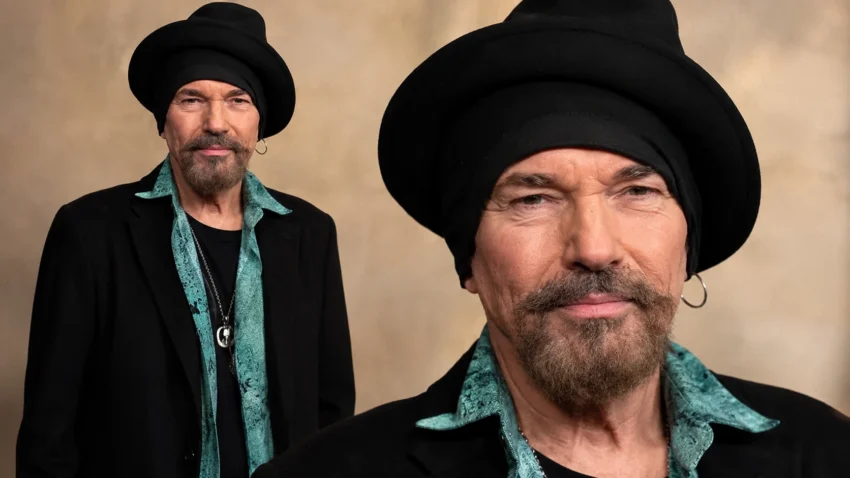
For most of his life, Jimmy Don Thornton lived far outside the spotlight that later surrounded his older brother, actor and filmmaker Billy Bob Thornton. He was not a Hollywood figure, did not build a public celebrity career, and left behind only a small trail of recorded history. Yet decades after his death in 1988, people still search for his name because of the emotional imprint he left on those closest to him and the quiet influence he had on Billy Bob Thornton’s music and personal life.
Jimmy Don Thornton’s story is unusual because it survives largely through fragments. There are song credits, family records, cemetery documents, scattered interviews, and deeply personal recollections from Billy Bob Thornton himself. Together, those pieces form the portrait of a man who loved music, wrote songs, worked ordinary jobs, and died young before most of the world ever heard his name. His life has since become part of one of Hollywood’s most personal family stories, not because he chased fame, but because the people who loved him never stopped talking about him.
Early Life and Family Background
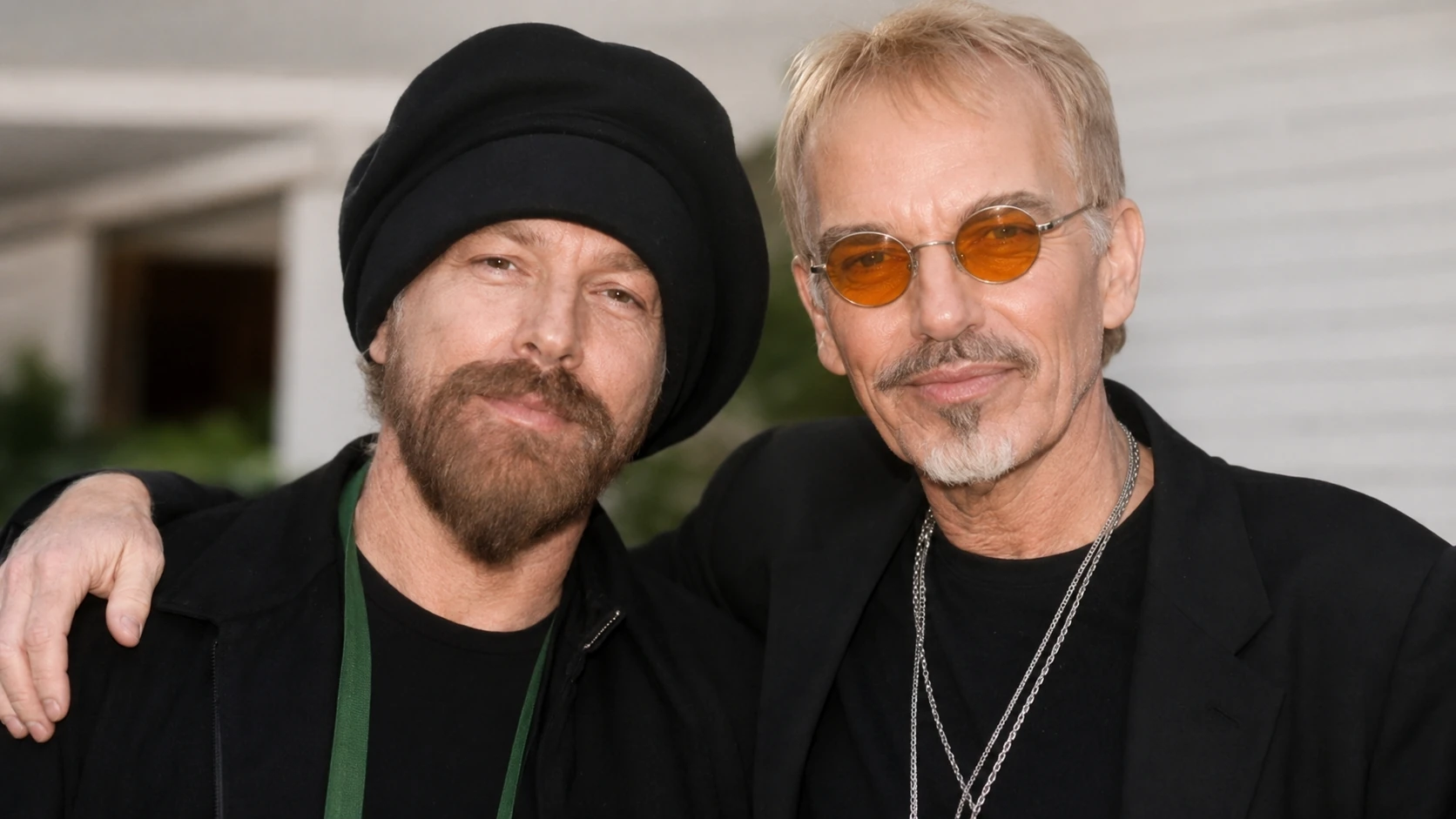
Jimmy Don Thornton was born James Donald Thornton on April 12, 1958, in Arkansas. Some public records identify his birthplace as Mena, while other memorial sources list Amity, Arkansas. The discrepancy reflects how limited the documentation around his life remains, but there is broad agreement on the larger picture: he grew up in rural Arkansas as part of the Thornton family that would later become known through Billy Bob Thornton’s success.
He was the younger brother of Billy Bob Thornton, who was born in 1955, and brother to John David Thornton. Their parents were Billy Ray Thornton, a high school basketball coach and teacher, and Virginia Roberta Faulkner, who was often described as spiritually intuitive and deeply influential inside the family. The Thorntons spent years moving through small Arkansas communities, including Hot Springs and Malvern, and Billy Bob later described parts of their childhood as financially difficult and emotionally intense.
The family’s early years were marked by instability and hardship. Billy Bob Thornton has spoken openly about periods when the family lived in poor conditions without many modern comforts. Those experiences shaped the atmosphere inside the Thornton household and later influenced Billy Bob’s writing, film work, and music. Jimmy Don grew up inside that same environment, surrounded by Southern culture, country music, working-class pressure, and strong family bonds.
Not many people know this, but the Thornton brothers were reportedly very close growing up. Billy Bob Thornton has repeatedly described Jimmy Don not only as a sibling, but as one of the central emotional figures in his life. That closeness became even more visible after Jimmy Don’s death, when Billy Bob began speaking publicly about the grief that never fully left him.
A Creative Personality Outside the Spotlight
Unlike Billy Bob Thornton, Jimmy Don Thornton never pursued a major public entertainment career. There is no evidence that he recorded commercially successful albums, appeared in films, or sought celebrity attention. Still, the people who knew him consistently described him as deeply creative and musically inclined.
Public records and family recollections identify Jimmy Don as a songwriter and musician with a strong interest in storytelling through music. Some memorial accounts state that he played guitar and banjo, although those details are harder to independently verify. What is firmly documented is that several songs written by Jimmy Don later appeared in Billy Bob Thornton’s musical work.
His creative life appears to have been intensely personal rather than commercial. Billy Bob Thornton once explained in an interview that Jimmy Don wrote songs for people he loved rather than writing for the music industry. That distinction matters because it explains why there is so little surviving public material despite the emotional impact his work had inside the family.
People who search for Jimmy Don Thornton often expect to uncover a hidden recording artist or forgotten celebrity musician. The truth is more intimate than that. He was part of the musical culture surrounding his family and community, but he did not build a national profile while he was alive. His songs became public largely because Billy Bob Thornton later preserved them.
Working Life in California
By the 1980s, Jimmy Don Thornton had spent time in California, particularly in San Francisco. Several memorial records and secondary biographical accounts state that he worked as a chef at the Hard Rock Cafe there. While direct employment documentation has not widely surfaced publicly, the detail appears consistently enough across multiple records that it has become part of the accepted outline of his adult life.
That period in San Francisco represented a major contrast with the rural Arkansas upbringing he shared with his brothers. The city in the 1980s was culturally loud, musically active, and socially restless. For someone with creative instincts and a Southern background, the environment likely felt dramatically different from the small-town atmosphere of Arkansas.
The truth is, Jimmy Don’s California years remain one of the least documented parts of his life. There are no extensive interviews, memoirs, or firsthand public accounts describing his day-to-day experiences there. What survives instead are traces: references to restaurant work, memories tied to music, and the fact that San Francisco became the place where his life ended unexpectedly.
That absence of detail has allowed internet mythology to grow around him over the years. Some online biographies stretch beyond verified information and present Jimmy Don as a far more public figure than available evidence supports. Careful reporting draws a clearer distinction between documented facts and assumptions repeated over time.
The Songs That Kept His Name Alive
Jimmy Don Thornton’s lasting public legacy comes primarily through songwriting. Billy Bob Thornton has publicly credited his brother with writing songs that later appeared on his own 2003 album The Edge of the World. Two titles in particular, “Emily” and “Island Avenue,” remain closely associated with Jimmy Don’s memory.
Those songs matter because they transformed Jimmy Don from a private family figure into part of the public musical record. Listeners who encountered the tracks often discovered afterward that the material originated with Billy Bob’s late brother. In that sense, the songs became both tribute and preservation.
Billy Bob Thornton discussed Jimmy Don’s songwriting in a 2008 interview with the Jackson Free Press. During that conversation, he mentioned additional songs Jimmy Don had written, including “Pretoria Burning” and another called “Billy Bob’s Magic Kingdom.” Thornton explained that his brother had written songs centered around people he cared about deeply, giving listeners a glimpse into the emotional core of Jimmy Don’s creative life.
What’s surprising is how personal those songs appear to have been. Rather than writing with commercial formulas in mind, Jimmy Don seemed interested in memory, affection, humor, and private emotional language shared among people close to him. That quality likely explains why Billy Bob Thornton continued speaking about the songs years after his brother’s death.
Music became the strongest surviving bridge between Jimmy Don’s private life and the public world. Without those songwriting credits and Billy Bob’s later comments, his story might have disappeared almost entirely from public awareness.
Billy Bob Thornton’s Grief and Public Reflections

Jimmy Don Thornton died on October 3, 1988, at the age of 30. Public reports usually describe the cause as a heart-related condition, though later reporting became more specific. A GQ profile published in 2016 identified the cause as ventricular fibrillation, a dangerous heart rhythm disturbance associated with sudden cardiac arrest.
His death had a lasting effect on Billy Bob Thornton, who has spoken about the loss repeatedly over the years. In interviews and television appearances, Billy Bob described his brother’s death as a dividing line in his emotional life. He has said publicly that he never fully recovered from the grief and that part of him remained permanently changed after Jimmy Don died.
One of the most widely shared examples came from Oprah’s Master Class, where Billy Bob Thornton discussed grief in unusually direct terms. He explained that after losing Jimmy Don, he felt permanently split between happiness and sadness. Many viewers connected strongly with those remarks because they reflected a version of grief that does not neatly disappear with time.
But here’s the thing. Billy Bob Thornton’s comments resonated not because they sounded dramatic, but because they sounded honest. He did not present grief as a clean healing process or a motivational story. Instead, he described it as a permanent emotional companion, especially when the person lost was someone deeply woven into childhood and family identity.
The emotional connection between the brothers became part of Billy Bob Thornton’s public image. Fans who knew him primarily through films like Sling Blade, Fargo, Monster’s Ball, and Bad Santa began to understand how much family history shaped his worldview. Jimmy Don’s death was not treated like a passing tragedy in Billy Bob’s life story; it remained emotionally present decades later.
Family Loss and the Thornton Brothers
The Thornton family experienced more than one major loss. Billy Bob Thornton’s father, Billy Ray Thornton, died from cancer when Billy Bob was still young. That earlier family grief already weighed heavily on the brothers before Jimmy Don’s sudden death in 1988.
The emotional structure inside the Thornton family appears to have been unusually intense and close-knit. Billy Bob Thornton often speaks about his upbringing with a mix of affection, fear, humor, and emotional sensitivity. Those contradictions became part of his artistic identity in both music and film.
Jimmy Don’s death seems to have deepened Billy Bob’s longstanding anxiety surrounding mortality and family. A widely discussed passage from GQ described Billy Bob remembering an unsettling moment years earlier when he woke up terrified after imagining Jimmy Don dead beside him. Whether readers interpret that story as intuition, coincidence, or grief reshaping memory later, it became one of the defining stories Billy Bob associated with his brother’s death.
What emerges from these accounts is not celebrity mythology, but family trauma filtered through storytelling. Jimmy Don Thornton became part of Billy Bob Thornton’s emotional language about fear, loss, and memory. That connection explains why his name still appears regularly in search results and fan discussions decades after his death.
Burial and Lasting Family Ties
After his death in San Francisco, Jimmy Don Thornton was buried in Alpine Cemetery in Clark County, Arkansas. The burial location matters because it brought him back to the state where the Thornton family roots remained strongest. Arkansas continued to play a major role in Billy Bob Thornton’s identity even after Hollywood success changed his public life.
Family gravesites often become symbolic places for public memory, especially when little written documentation exists elsewhere. In Jimmy Don’s case, the cemetery record serves as one of the clearest fixed public markers confirming dates, family ties, and location. It grounds the story in something concrete.
That said, the limited archival record surrounding Jimmy Don Thornton has also led to confusion online. There are other people with similar or identical names in genealogical databases, and some websites accidentally merge details from unrelated individuals. Readers searching for reliable information often encounter conflicting timelines or unsupported claims.
Responsible biographical reporting requires acknowledging those limits instead of pretending certainty where none exists. Jimmy Don Thornton’s life was largely private. The available record is enough to tell his story with care, but not enough to invent scenes, motives, or achievements that cannot be supported.
Public Interest Decades Later
The renewed interest in Jimmy Don Thornton comes partly from Billy Bob Thornton’s continued fame and partly from the emotional honesty surrounding the story. Audiences today often respond strongly to public figures who discuss grief in direct, unpolished ways. Billy Bob Thornton’s comments about his brother stood out because they felt personal rather than rehearsed.
Social media has also amplified interest in Jimmy Don’s story. Clips from interviews and television appearances circulate widely online, introducing younger audiences to the Thornton family history. Many viewers discover Jimmy Don through short emotional excerpts before searching for more complete biographical information.
There is also a broader fascination with family members connected to major celebrities. Readers often want to understand the hidden relationships and personal losses that shape public figures behind the scenes. Jimmy Don Thornton fits that category, but his story avoids many of the usual celebrity-family clichés because he was never trying to enter the spotlight himself.
The fascination persists because the story feels unfinished. Jimmy Don died before his songwriting could develop publicly, before the Thornton family became internationally famous, and before Billy Bob Thornton reached the peak of his career. That sense of interrupted possibility continues to shape how people think about him.
Billy Bob Thornton’s Career and the Shadow of Family Memory
As Billy Bob Thornton’s career expanded through the 1990s and 2000s, references to Jimmy Don occasionally surfaced in interviews tied to music and personal reflection. Billy Bob’s Academy Award win for Sling Blade in 1997 dramatically increased public attention on his background and upbringing. Journalists covering his rise often discovered the deep emotional scars connected to family loss.
Billy Bob Thornton’s music career became especially important in preserving Jimmy Don’s legacy. While many actors release music projects that quickly disappear, Thornton approached music seriously and consistently. Albums like The Edge of the World carried traces of his Arkansas roots and family history.
Jimmy Don’s songwriting credits gave him a quiet but permanent place inside that artistic record. Listeners encountering “Emily” or “Island Avenue” were also encountering part of the Thornton family’s private history. That gave the songs an emotional weight beyond ordinary album tracks.
Not many people know this, but Billy Bob Thornton has often seemed more emotionally exposed when discussing music than film. Interviews about songwriting frequently drift toward family, memory, and loss. Jimmy Don’s influence appears strongest in those moments.
Money, Fame, and Public Identity
Because Jimmy Don Thornton died before achieving public fame, there is no reliable estimate of his personal net worth. Unlike Billy Bob Thornton, whose entertainment career created significant wealth through acting, directing, screenwriting, and music, Jimmy Don lived largely outside the celebrity economy.
Some websites attempt to attach speculative financial figures to him, but there is little evidence supporting those claims. The reality is simpler and more grounded. He appears to have lived an ordinary working life centered around music, family relationships, and employment outside mainstream entertainment.
Billy Bob Thornton’s own financial success later changed how people viewed the family story. Once a relative becomes globally famous, public curiosity tends to expand backward toward siblings, parents, and childhood history. Jimmy Don’s memory entered public consciousness through that process.
Still, reducing his story to celebrity adjacency misses the point. People continue searching for Jimmy Don Thornton not because he accumulated wealth or public power, but because his absence remained emotionally visible inside one of Hollywood’s most unusual and candid public personalities.
How Jimmy Don Thornton Is Remembered Today
Today, Jimmy Don Thornton is remembered primarily through music, family testimony, and public grief. There are no major documentaries focused solely on his life, no memoir written in his voice, and no large archive of interviews. Yet his presence remains unusually strong in conversations about Billy Bob Thornton.
Part of that endurance comes from the way Billy Bob talks about him. The actor rarely treats Jimmy Don as a symbolic figure or sentimental anecdote. Instead, he speaks about him as someone still emotionally active in his memory. That consistency has given Jimmy Don’s story an authenticity that many celebrity-family narratives lack.
Online memorial pages and genealogy records continue to attract visitors interested in the Thornton family history. Music fans revisit songwriting credits connected to The Edge of the World. Others arrive after hearing Billy Bob Thornton describe grief in interviews and wanting to know more about the brother behind those stories.
The truth is, Jimmy Don Thornton’s legacy rests less on public achievement than on emotional impact. He mattered deeply to the people who knew him, and that private significance eventually became public because one of those people happened to become famous.
Frequently Asked Questions
Who was Jimmy Don Thornton?
Jimmy Don Thornton was the younger brother of actor and musician Billy Bob Thornton. He was born in Arkansas in 1958 and died in San Francisco in 1988 at the age of 30. He is best known publicly as a songwriter whose work later appeared on Billy Bob Thornton’s music albums.
What did Jimmy Don Thornton do for a living?
Public accounts describe Jimmy Don Thornton as a musician, songwriter, and chef. Several memorial records state that he worked at the Hard Rock Cafe in San Francisco during the 1980s. However, detailed public records about his career remain limited.
What songs did Jimmy Don Thornton write?
Jimmy Don Thornton is credited with writing “Emily” and “Island Avenue,” both later recorded by Billy Bob Thornton on the 2003 album The Edge of the World. Billy Bob Thornton also mentioned additional songs written by his brother in later interviews.
How did Jimmy Don Thornton die?
Jimmy Don Thornton died on October 3, 1988. Public reports usually describe the death as heart-related, and later reporting identified ventricular fibrillation as the cause. He was only 30 years old at the time of his death.
Was Jimmy Don Thornton famous?
Jimmy Don Thornton was not widely famous during his lifetime. Public interest in him grew later because of Billy Bob Thornton’s success and the emotional way Billy Bob discussed his brother in interviews and television appearances.
Where is Jimmy Don Thornton buried?
He is buried at Alpine Cemetery in Clark County, Arkansas. The cemetery remains one of the strongest publicly documented links to his life and family history.
Why do people still search for Jimmy Don Thornton?
Many people discover Jimmy Don Thornton through Billy Bob Thornton’s public reflections about grief and family loss. Others search for him because of songwriting credits tied to Billy Bob’s music career. Interest in his life has continued because the story feels deeply personal rather than manufactured for publicity.
Conclusion
Jimmy Don Thornton’s life was brief, private, and only lightly documented in public records. Yet the emotional weight of his story has lasted far longer than many people with much larger public careers. His name continues to surface because the people closest to him never allowed his memory to fade quietly into the background.
The songs associated with him remain one of the clearest traces of his creative voice. Through Billy Bob Thornton’s recordings and interviews, Jimmy Don’s work survived long enough to reach audiences he never lived to see. That survival gives his story a quiet kind of permanence.
There’s also something deeply human about the way his memory endured inside his family. Billy Bob Thornton’s reflections on grief, brotherhood, and emotional loss helped transform Jimmy Don from an obscure family figure into someone many strangers now recognize by name. The connection between the brothers remains the emotional center of the story.
Jimmy Don Thornton never became a celebrity in the traditional sense. Still, decades after his death, people continue searching for him because his story speaks to something familiar: the way ordinary lives can leave extraordinary marks on the people who loved them most.