
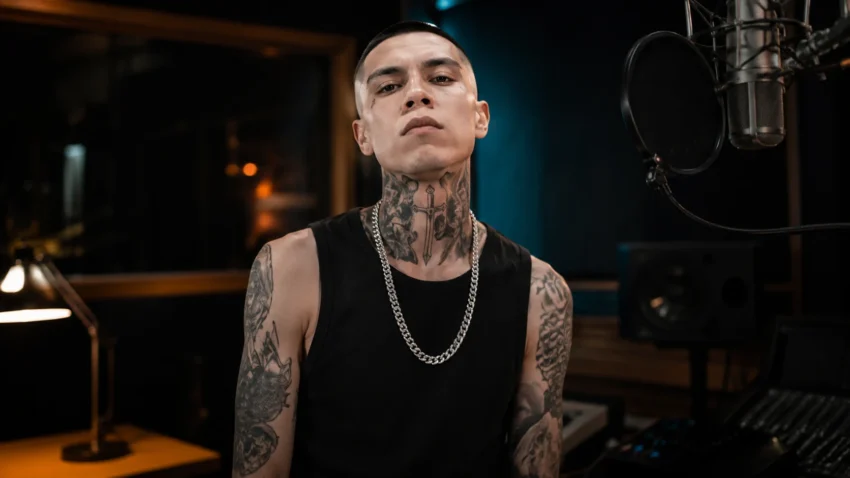
Ángel Jair Quezada Jasso, known professionally as Santa Fe Klan, turned a neighborhood name from Guanajuato into one of the most recognizable identities in Mexican rap. His story is not only about money, fame, or streaming numbers. It is about a young artist who built a career from local roots, street-level storytelling, and a sound that moves between hip-hop, cumbia, regional Mexican music, and Latin urban culture.
Readers searching for Santa Fe Klan net worth usually want a clear number. The honest answer is that his exact net worth is not publicly confirmed. Online estimates often place him in the multi-million-dollar range, but those figures are not audited and should be treated as estimates rather than fact.
Early Life and Background
Santa Fe Klan was born Ángel Jair Quezada Jasso on November 29, 1999, in Guanajuato, Mexico. His stage name comes from Santa Fe, the neighborhood that shaped his identity and public image. He has spoken through his music as an artist closely tied to his community, using local references, personal struggle, and working-class pride as part of his voice.
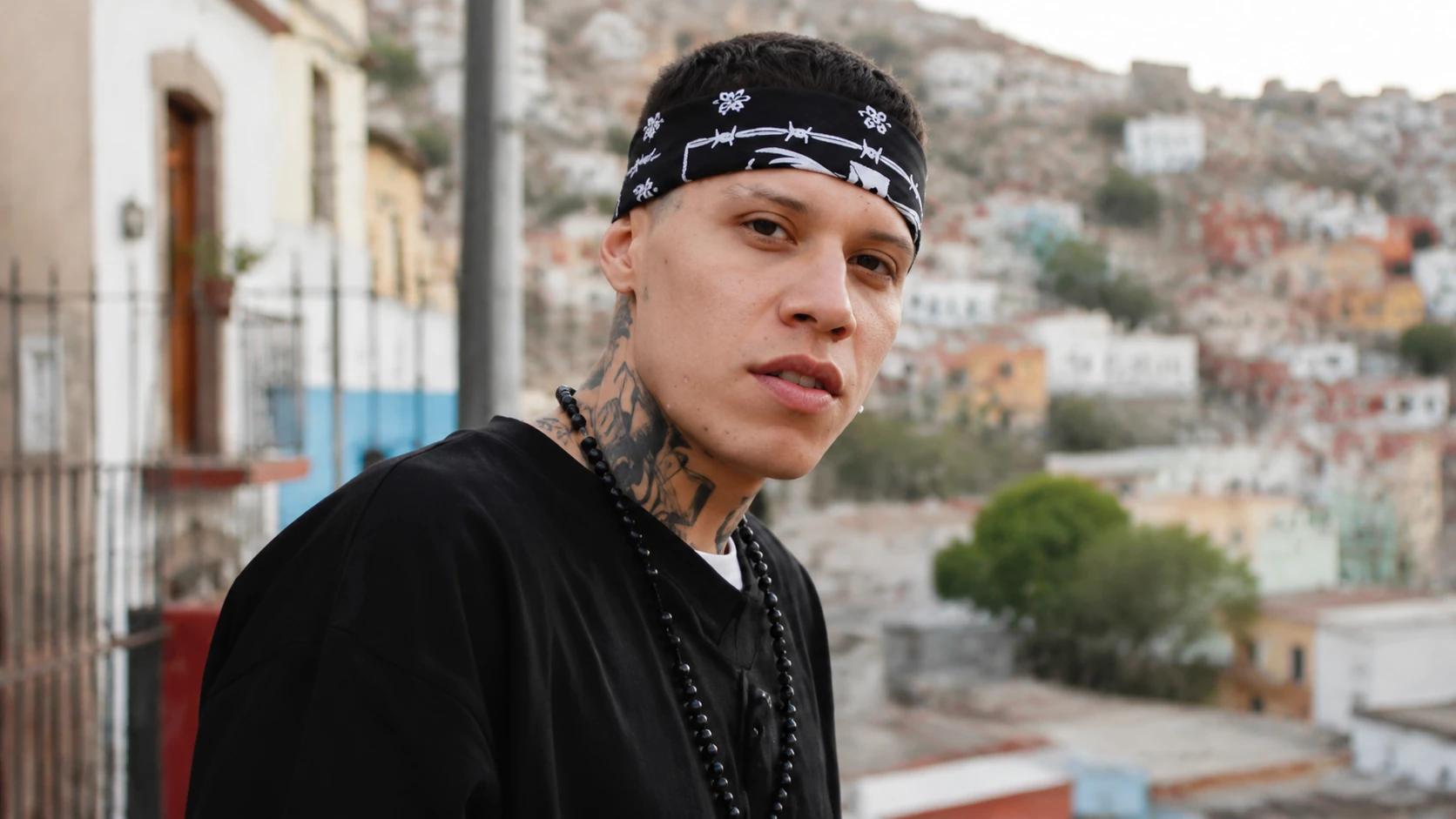
His rise began far from the polished machinery of mainstream pop. He came up through rap, freestyle, and independent digital releases, building a following before becoming widely known outside Mexico. That early path matters because it explains why fans see him as more than a commercial act. For many listeners, Santa Fe Klan represents a version of Mexican hip-hop that feels direct, regional, and personal.
Publicly available biographical details about his schooling and early family life are limited. What is clear is that music became his main path at a young age. Rather than presenting himself as a distant celebrity, he has built much of his appeal around the idea that he remains connected to the streets and people that formed him.
Career Beginnings
Santa Fe Klan’s career developed through the internet, live performances, and a growing catalog of songs that blended rap with Mexican sounds. His official YouTube presence became one of the central engines of his rise. Over time, his channel grew to millions of subscribers and billions of views, giving him reach far beyond Guanajuato.
His music stood out because it did not sit neatly in one genre. He could rap over hard street beats, shift into cumbia, work with regional Mexican textures, and collaborate with artists from different corners of Latin music. That flexibility helped him grow without losing the identity that first attracted fans.
The name Santa Fe Klan became linked with authenticity, even as his career became more commercial. His tattoos, visual style, neighborhood imagery, and emotional delivery all became part of a brand that felt recognizable. In a crowded music market, that sense of identity became one of his strongest assets.
Breakthrough and Public Recognition
Santa Fe Klan’s wider breakthrough came as Mexican rap and regional Mexican music gained more global attention. He benefited from the streaming era, but he also helped show that Mexican hip-hop could travel across borders without copying U.S. rap or abandoning local roots. His success reflected a larger shift in Latin music, where regional identity became a strength rather than a barrier.
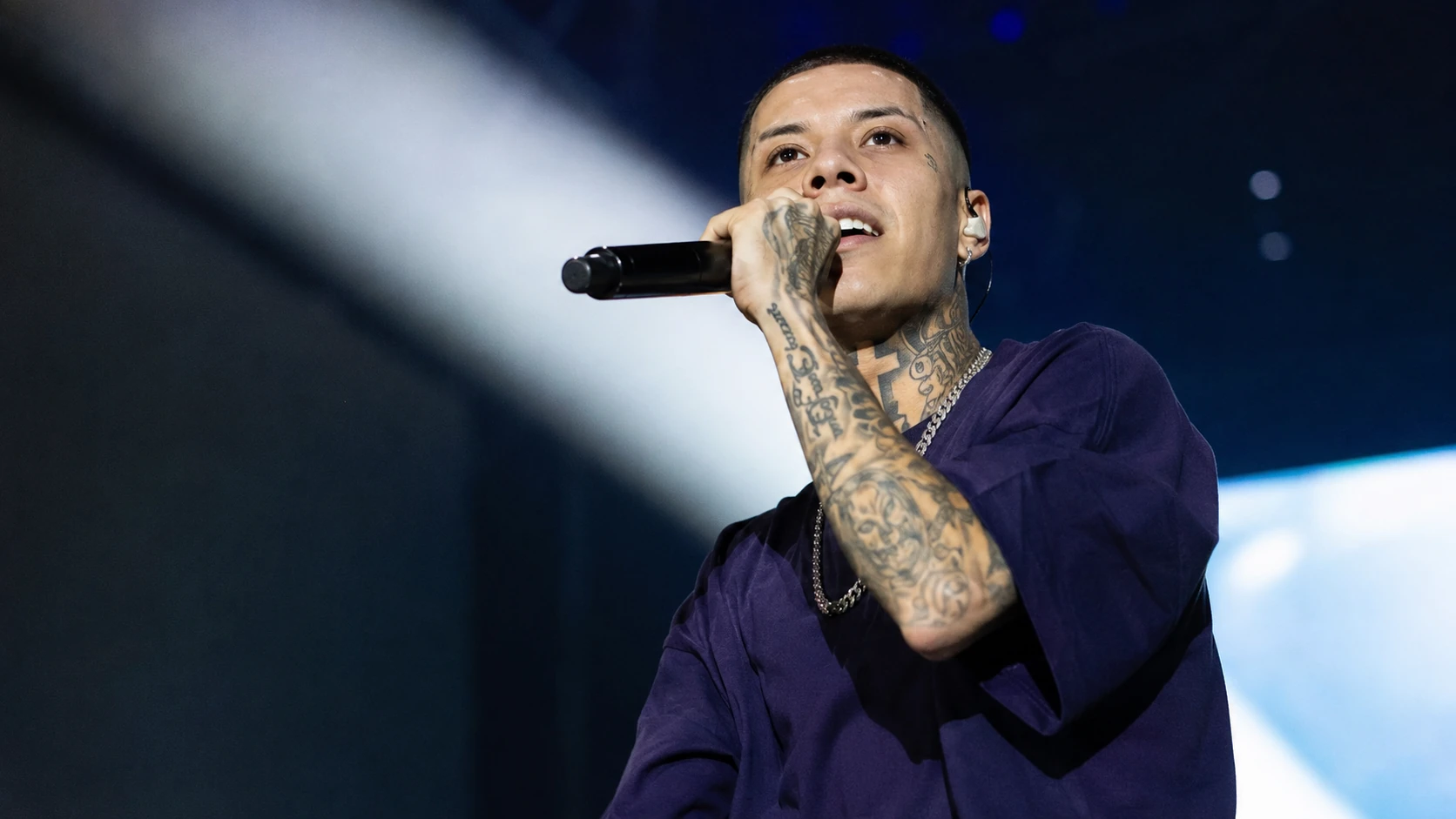
His collaborations widened his audience. Work connected to artists such as Los Ángeles Azules, Cazzu, Steve Aoki, Snow Tha Product, and Gera MX helped place him across different scenes. These partnerships showed that he could move between traditional Mexican sounds, urban music, and global electronic or hip-hop spaces.
A major public marker came with “Tú y Tú,” his collaboration with Los Ángeles Azules and Cazzu. The song reached No. 1 on Billboard’s Regional Mexican Airplay chart in 2023, according to information shared through his official channels. That kind of crossover recognition helped confirm that Santa Fe Klan was not only an underground favorite but also a serious commercial force.
Music Style and Public Image
Santa Fe Klan’s music often carries themes of struggle, loyalty, love, neighborhood life, ambition, and personal loss. He is not a traditional pop star built around a single clean image. His appeal comes from rough edges, emotional honesty, and a public identity that feels close to the world he describes.
His sound is one reason his audience is broad. Fans of rap may come for his flow and street writing, while listeners of cumbia or regional Mexican music may connect with the melodies and cultural references. This mix has helped him build a career that is not dependent on one trend.
His public image also plays a role in his earning power. Santa Fe Klan is recognizable in appearance, voice, and branding. In modern music, that matters because artists earn not only from songs but from identity, merchandise, concerts, and loyal communities.
Santa Fe Klan Net Worth
Santa Fe Klan net worth is widely searched, but no official financial disclosure confirms an exact number. Because he is a private individual and not a public company, his assets, liabilities, tax records, advances, publishing ownership, and business contracts are not open for public review. Any exact figure online should be treated with caution.
Many celebrity finance sites estimate his net worth in the multi-million-dollar range, with common claims around several million dollars. Some estimates suggest figures near $5 million or higher, while others place him closer to $10 million or more. These numbers may reflect his popularity, streaming reach, YouTube views, touring, and brand value, but they are still estimates.
A more responsible conclusion is that Santa Fe Klan appears to be a high-earning, multi-million-dollar music figure, but his confirmed personal net worth is not publicly known. His career has clear commercial weight. The exact amount of wealth he personally controls is private.
Income Sources
Santa Fe Klan likely earns money from several parts of the music business. Streaming is one major source, especially through platforms such as Spotify, Apple Music, YouTube Music, and others. Still, streaming income is often misunderstood because platforms pay rights holders, not always artists directly, and the artist’s final share depends on contracts.
YouTube is another major income channel. His official videos have attracted billions of views, and a large subscriber base can generate money through advertising, music rights, and audience growth. Yet YouTube revenue also depends on location of viewers, ad rates, rights ownership, and whether songs include samples, collaborators, producers, or label partners.
Concerts are likely one of his strongest sources of income. Live shows can bring large gross receipts, especially in Mexico and the United States, where he has a strong Latino fan base. Touring income, though, comes with costs such as crew, travel, promoters, production, insurance, security, and management commissions.
Merchandise and branding also matter. Santa Fe Klan’s name, look, and neighborhood-linked identity are marketable beyond recordings. For artists with devoted fan bases, clothing, accessories, and direct-to-fan products can become meaningful parts of the business.
Relationships, Children, and Private Life
Santa Fe Klan has had a public relationship with Mexican model and influencer Maya Nazor. Their relationship drew attention from fans and entertainment media, especially after the birth of their son, Luka. The couple later separated, and both have continued to be public figures in their own right.
His role as a father is part of his public story, but details about his child and family life should be handled carefully. Not every personal matter belongs in a biography, and not every social media post should be treated as a settled fact. What can be said fairly is that fatherhood has become part of Santa Fe Klan’s public identity.
Like many artists with large followings, he has faced public scrutiny over relationships, money, and behavior. Responsible coverage should separate verified facts from gossip. His private life attracts attention, but his lasting reputation will likely rest more on music, audience loyalty, and career choices.
Recent Work and Current Status
By 2024 and 2025, Santa Fe Klan had moved from breakout Mexican rapper to established Latin music figure. His audience remained large across streaming and YouTube, and his live presence continued to expand. His official site has described him as one of Mexico’s most-listened-to hip-hop artists in recent years.
His 2025 Unidos Tour with Shoreline Mafia showed his continued reach in the United States. A tour of that kind matters because it places him in front of fans outside Mexico and strengthens his value in the live market. For an artist whose brand is rooted in place, international touring proves that local identity can travel.
As of 2026, Santa Fe Klan remains an active artist with a large digital audience and strong cultural recognition. His exact financial status is private, but his career indicators point to continued commercial strength. The next stage of his career will depend on catalog ownership, touring consistency, collaborations, and his ability to keep fans engaged without losing the raw identity that made him stand out.
Why His Story Matters
Santa Fe Klan’s biography matters because it reflects a larger change in Latin music. Artists no longer need to fit old industry categories to become internationally visible. A rapper from Guanajuato can build a global following through YouTube, streaming, social media, and touring while keeping his local identity at the center.
His career also shows why net worth is only one part of the story. Money estimates attract clicks, but the deeper question is ownership. If an artist controls masters, publishing, merchandise, and touring decisions, long-term wealth can look very different from headline income.
Santa Fe Klan has already built something many artists chase for years: a recognizable voice, a loyal audience, and a brand that feels lived-in rather than manufactured. That makes his net worth interesting, but his cultural position is the stronger story.
Frequently Asked Questions
What is Santa Fe Klan’s real name?
Santa Fe Klan’s real name is Ángel Jair Quezada Jasso. He performs under a name connected to the Santa Fe neighborhood in Guanajuato, Mexico, which has become central to his public identity.
How old is Santa Fe Klan?
Santa Fe Klan was born on November 29, 1999. That makes him 26 years old in 2026, depending on the date being counted.
What is Santa Fe Klan net worth?
Santa Fe Klan net worth is not publicly confirmed. Online estimates often place him in the multi-million-dollar range, but no verified financial filing or official statement confirms an exact figure.
How does Santa Fe Klan make money?
He likely earns through streaming, YouTube, concerts, merchandise, collaborations, publishing, and brand-related ventures. His final income depends on contracts, ownership rights, touring costs, taxes, and business partners.
Is Santa Fe Klan married?
Santa Fe Klan is not publicly confirmed to be married. His past relationship with Maya Nazor is public, and they share a son named Luka.
Where is Santa Fe Klan from?
Santa Fe Klan is from Guanajuato, Mexico. His neighborhood roots are a major part of his music, image, and connection with fans.
Why is Santa Fe Klan famous?
He is famous for blending Mexican rap with cumbia, regional sounds, and Latin urban music. His YouTube growth, streaming audience, collaborations, and live shows helped turn him into one of the best-known Mexican rap artists of his generation.
Conclusion
Santa Fe Klan’s net worth may be the headline search, but his biography explains why the question keeps coming up. He is not famous only because he earns money. He is famous because he built a voice and image that millions of listeners recognize.
The most honest financial answer is that his exact wealth is private, while his success is clear. His audience size, touring activity, catalog, and public recognition all point to a major career. What they do not reveal is his exact personal fortune.
Santa Fe Klan’s story is still being written. If he keeps control of his identity, protects his business interests, and continues to grow across borders, his long-term value may be measured less by online net worth estimates and more by the place he holds in Mexican music history.