
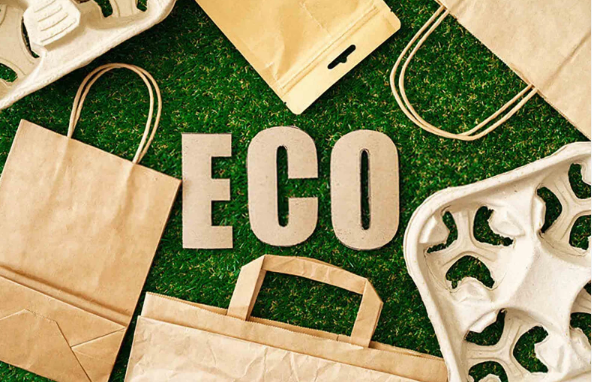
The Shift Toward Sustainability in Endurance Sports and Fitness
Why Runners and Event Organizers Care About Eco-Friendly Swag
Endurance sports events attract thousands of passionate participants, but they also generate significant environmental waste. Finish lines are frequently carpeted with single-use plastic packaging, discarded wrappers, and non-recyclable race bags.
Modern runners are increasingly eco-conscious. They actively evaluate the environmental commitment of the races they enter, expecting race directors to minimize waste and adopt sustainable race practices.
Event organizers are responding by overhauling race kits, finisher gifts, and athletic merchandise. Transitioning to green swag aligns event branding with runner values while drastically lowering municipal waste management costs. Integrating [eco-friendly running habits] into race-day operations builds lasting goodwill across the fitness community.
The Environmental Footprint of Traditional Single-Use Plastics
For decades, race kits, medals, and sports nutrition supplements were packaged in cheap, low-density polyethylene (LDPE) films. These petroleum-based single-use plastics take hundreds of years to decompose in landfill environments.
When wind carries discarded plastic bags from open-air race venues into surrounding ecosystems, they break down into toxic microplastics. These particles contaminate soil and local waterways, posing severe ecological hazards.
Furthermore, manufacturing traditional polymer packaging consumes non-renewable fossil fuels and releases substantial greenhouse gas emissions. This carbon footprint directly conflicts with the health-focused, nature-oriented ethos of endurance athletics.
Innovative Packaging Solutions for Fitness Brands and Race Events
Biodegradable Paper Bags for Race Kits and Merchandise
To eliminate plastic pollution at scale, event organizers and fitness brands are shifting toward heavy-duty kraft paper bags and biodegradable fiber composites.
As endurance sports events and fitness brands transition away from legacy single-use plastics, the demand for high-strength, recyclable packaging has skyrocketed. Modern race organizers now require custom paper bags that can withstand heavy endurance swag—ranging from energy gels to finisher medals—without tearing. To achieve this durability at scale, advanced manufacturing standards—such as those utilized by professional packaging machinery providers like Kete Group—incorporate automated web-tension controls and precision square-bottom forming. These technological upgrades ensure that sustainable paper packaging meets rigorous commercial demands while maintaining a 100% recyclable footprint.
These renewable bags decompose naturally within months, transforming race-day logistics into a cleaner, circular distribution process.
Flexible Pouches for Sports Nutrition and Supplements
Energy gels, electrolyte powders, and protein supplements require robust barriers against oxygen and moisture to preserve product stability.
Recent breakthroughs in mono-material recyclable flexible pouches allow sports nutrition brands to maintain strict barrier performance without resorting to non-recyclable multi-layer foils.
Bio-based compostable films made from renewable plant starches are also entering the market. These materials ensure athletes can safely carry nutrition during intensive training or full-scale [marathon race preparation tips] without adding non-degradable waste to environmental landfill streams.
Manufacturing Standards Behind Modern Eco-Packaging
Precision Engineering in Paper Bag and Pouch Production
Converting sustainable raw materials into high-performance packaging requires specialized mechanical engineering and strict quality controls.
Modern packaging machinery employs servo-driven adhesive systems and automated edge-alignment controls to construct reinforced bag bottoms and durable handles.
- Tension Control: Prevents paper tearing during high-speed production runs.
- Structural Integrity: Ensures square-bottom bags withstand bulky swag items without collapsing.
- Dimensional Accuracy: Guarantees uniform folds for high-speed automated packaging lines.
These engineered capabilities allow packaging converters to use lighter, FSC-certified kraft papers without sacrificing load capacity or operational reliability.
Flexo Printing and Eco-Friendly Water-Based Inks
Vibrant custom graphics are essential for race branding and sponsor recognition, but solvent-based inks emit harmful volatile organic compounds (VOCs).
Advanced flexographic printing presses now utilize non-toxic, water-based or soy-based inks that adhere cleanly to unbleached paper fibers.
- Zero Toxic Emissions: Eliminates hazardous VOC releases during print runs.
- De-inking Compatibility: Allows paper fibers to be re-pulped easily in standard recycling mills.
- High Visual Definition: Delivers sharp logo reproduction and crisp brand colors.
By combining water-based flexography with sustainably sourced kraft paper, fitness brands maintain premium visual appeal while adhering to environmental compliance standards.
Key Takeaways
| Area | Key Takeaway | Impact/Data |
| Market | Runners demand sustainable race operations | Cuts waste management costs |
| Swag Bags | Adopt heavy-duty kraft paper bags | 100% recyclable, decomposes in months |
| Nutrition | Utilize mono-material or compostable pouches | Eliminates non-degradable landfill waste |
| Printing | Transition to water-based flexo inks | Zero VOCs, ensures easy recycling |
| Supply Chain | Audit materials for FSC certification | Prevents greenwashing, builds brand trust |
Best Practices for Implementing Sustainable Packaging in Your Brand
Sourcing Reliable Machinery and Certified Materials
Brand managers and race production teams must carefully audit their packaging supply chain to ensure raw materials carry recognized certifications like FSC or OK Compost.
Transitioning to sustainable packaging is no longer just a marketing trend; it is a global operational necessity driven by tightening environmental regulations. According to a report by Forbes, global consumer demand for transparent sustainability practices and eco-friendly supply chain initiatives has accelerated year-over-year. Brands that proactively adopt recyclable materials and invest in advanced manufacturing efficiencies not only reduce their carbon footprint but also build long-term consumer trust in competitive markets.
Partnering with certified machinery suppliers ensures that equipment can process eco-resins and recycled papers efficiently without inflating operational costs.
Communicating Green Initiatives to Your Audience
Authentic communication is essential when presenting eco-friendly packaging initiatives to athletes; modern consumers quickly recognize superficial marketing.
- Print Recycling Icons: Clearly display recycling codes and compostability badges on bag bases.
- Share Concrete Data: Highlight specific metrics, such as total pounds of plastic diverted per race.
- Educate Participants: Include disposal instructions in digital race guides to encourage proper waste sorting.
Transparent messaging transforms simple packaging updates into an inspiring demonstration of corporate responsibility and environmental stewardship.